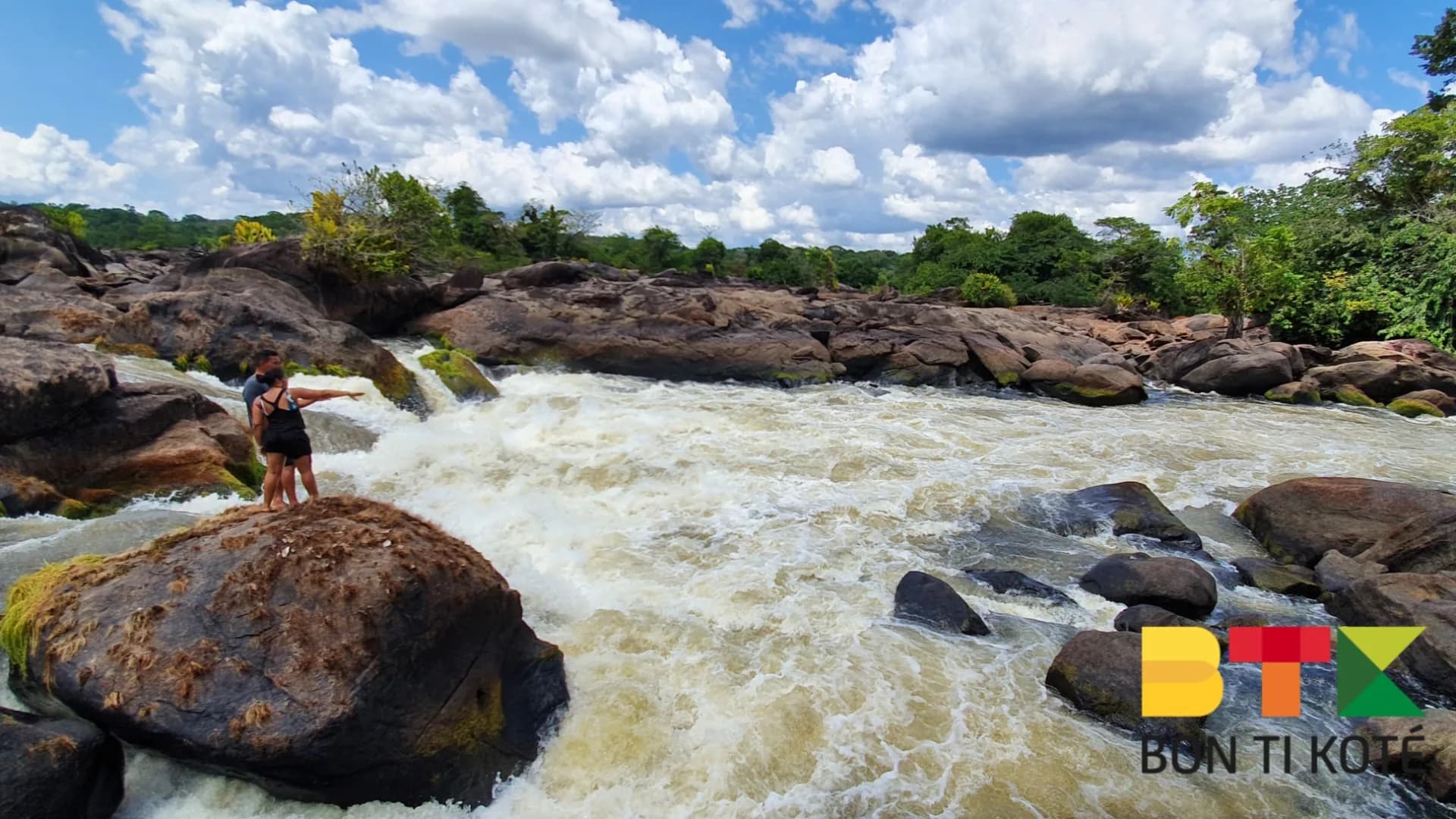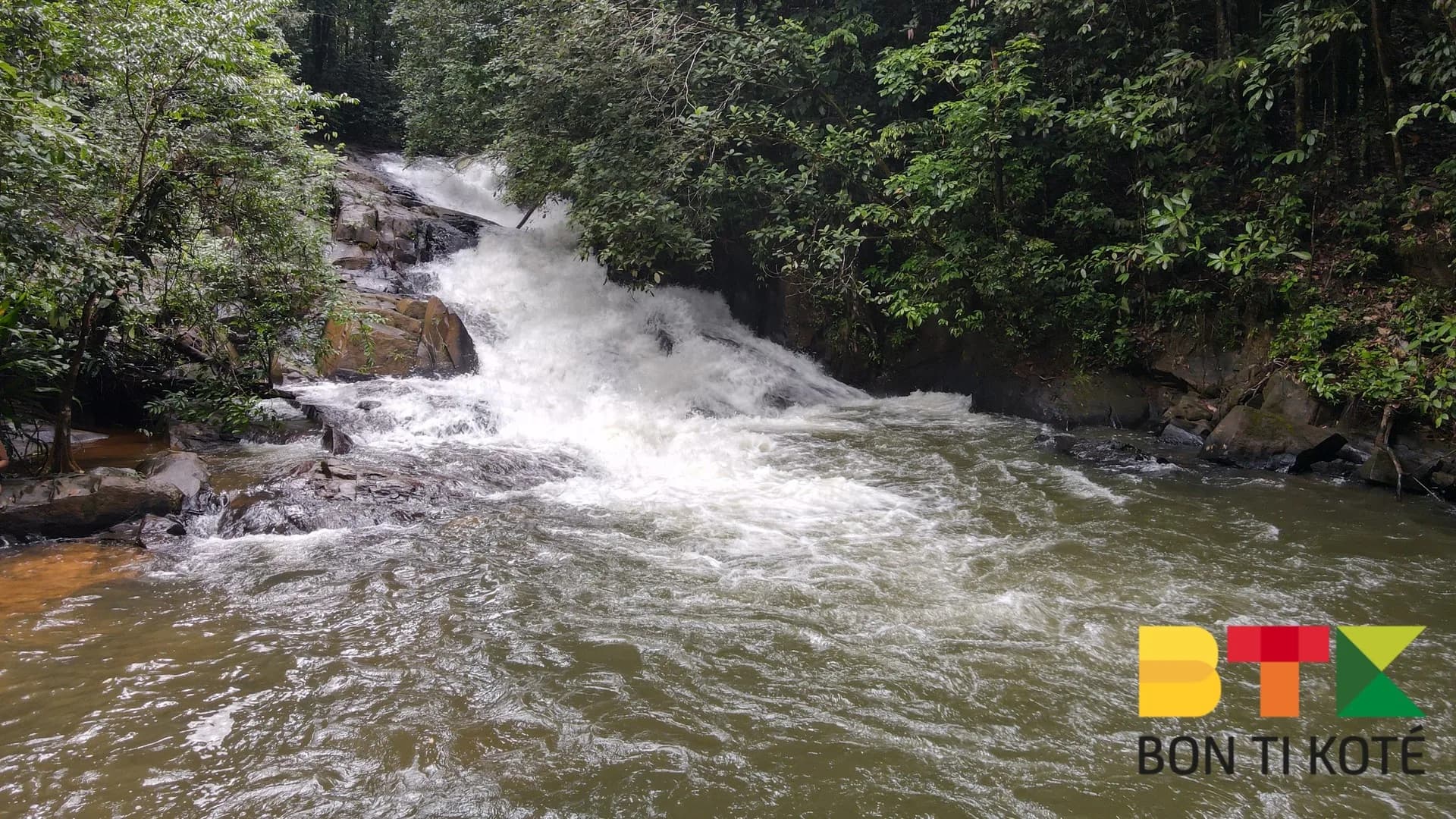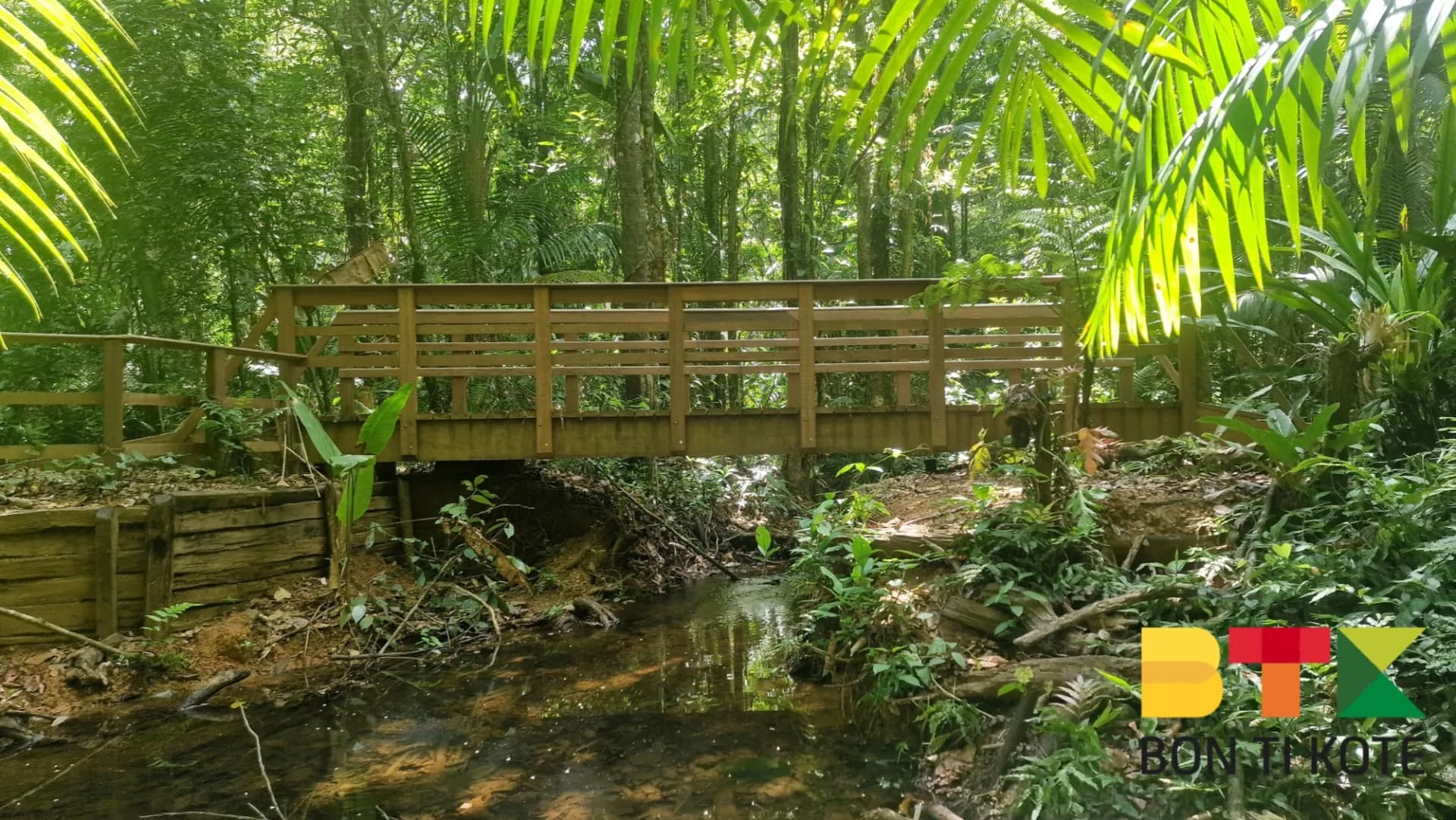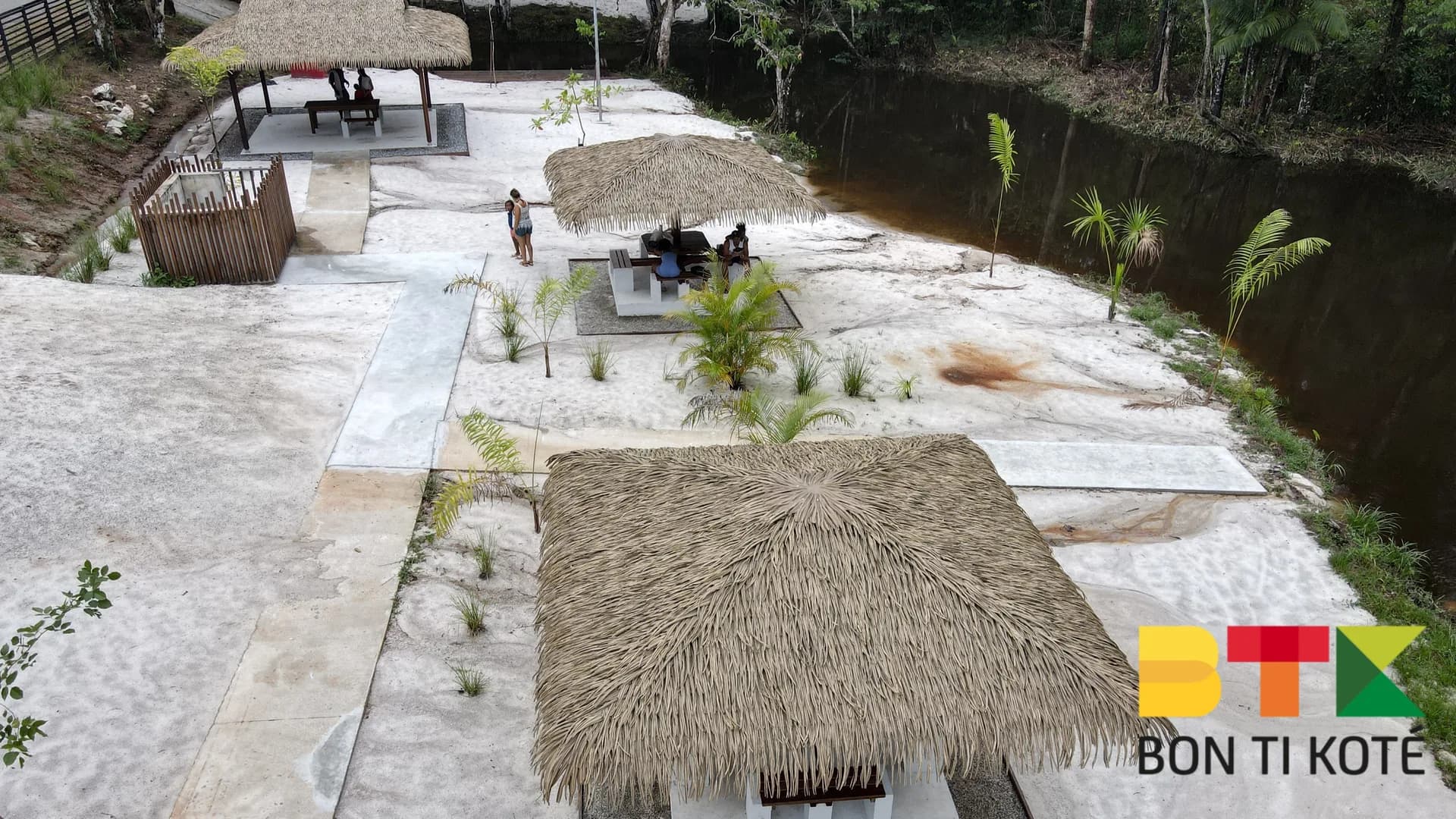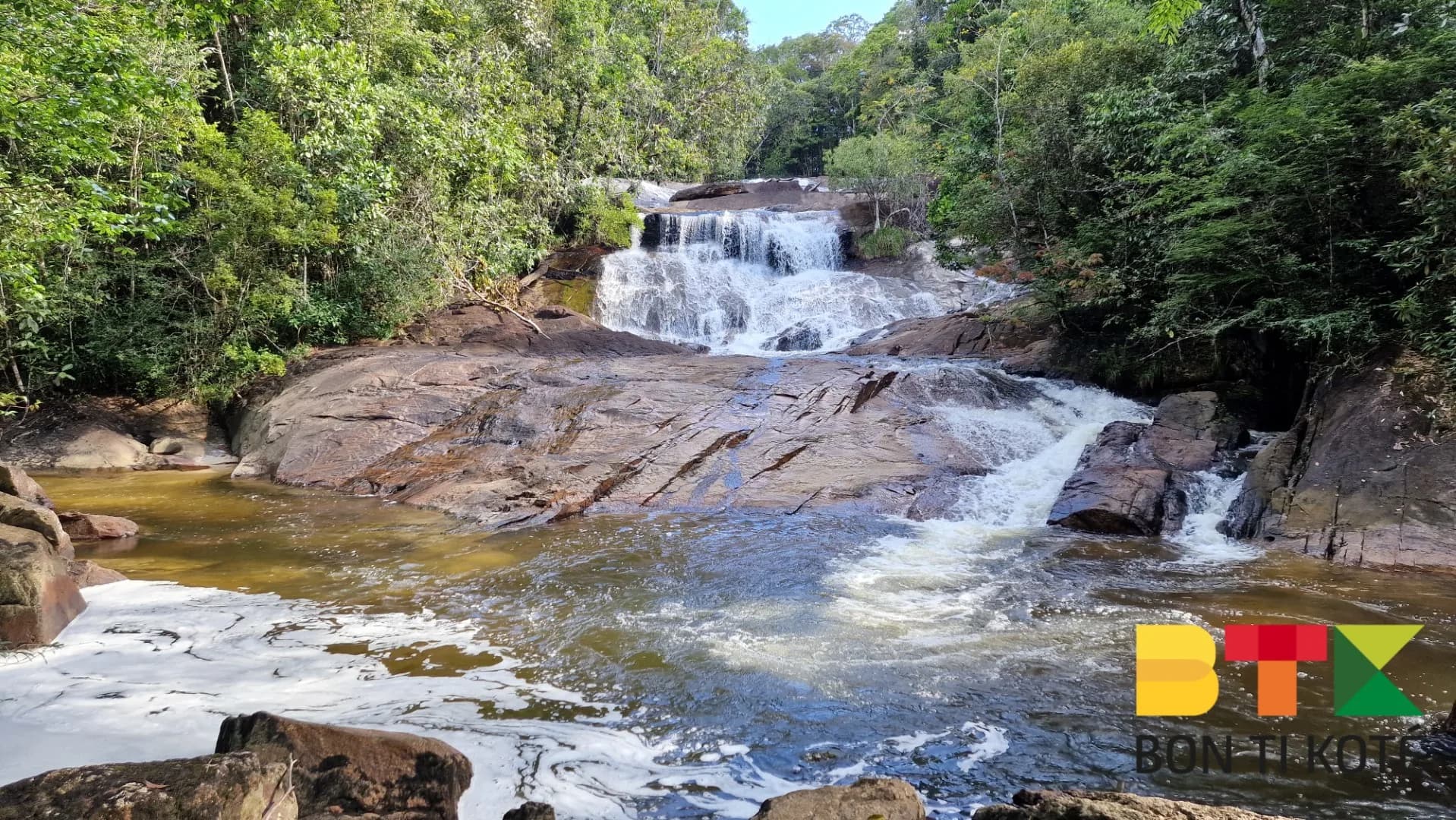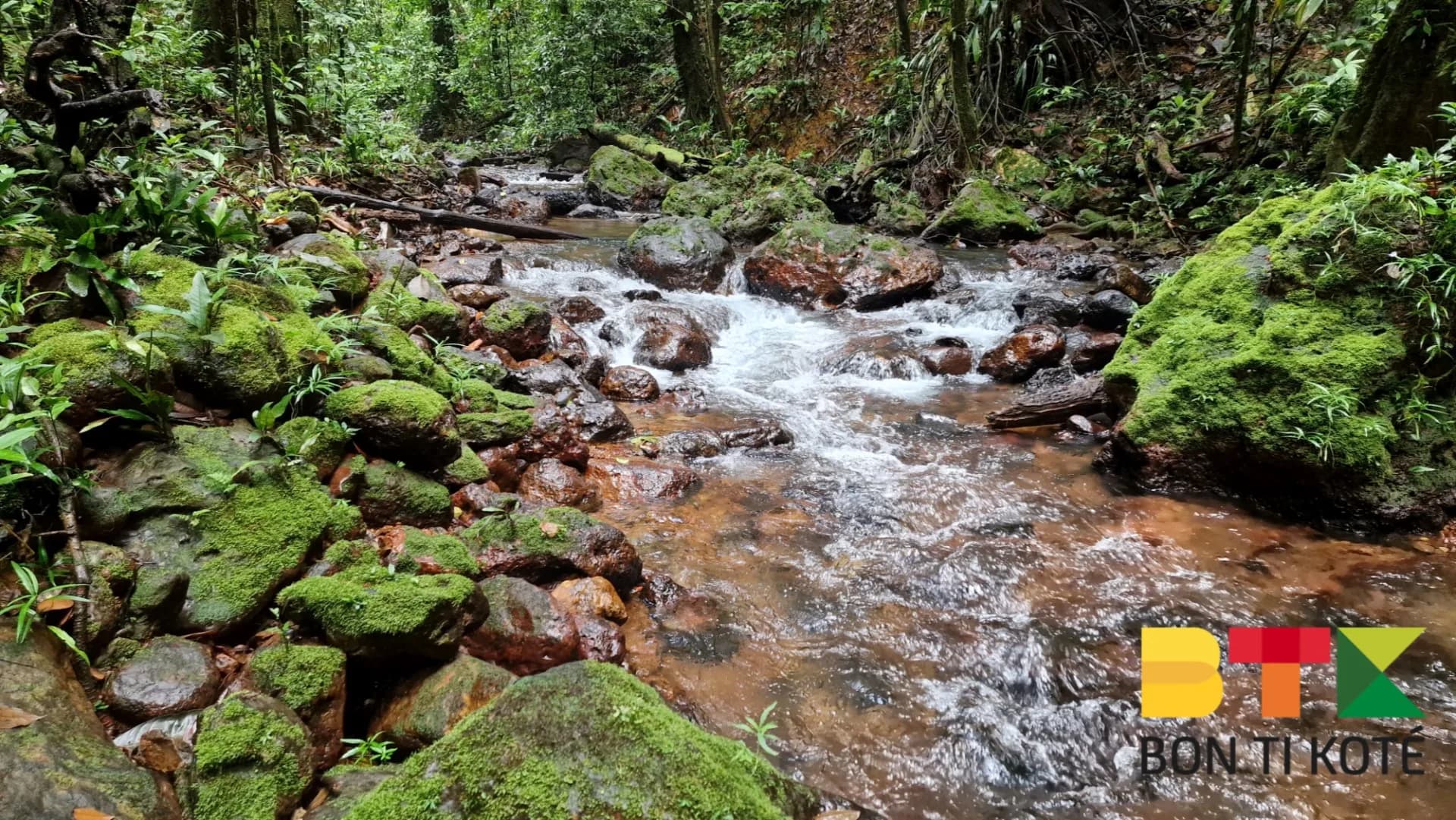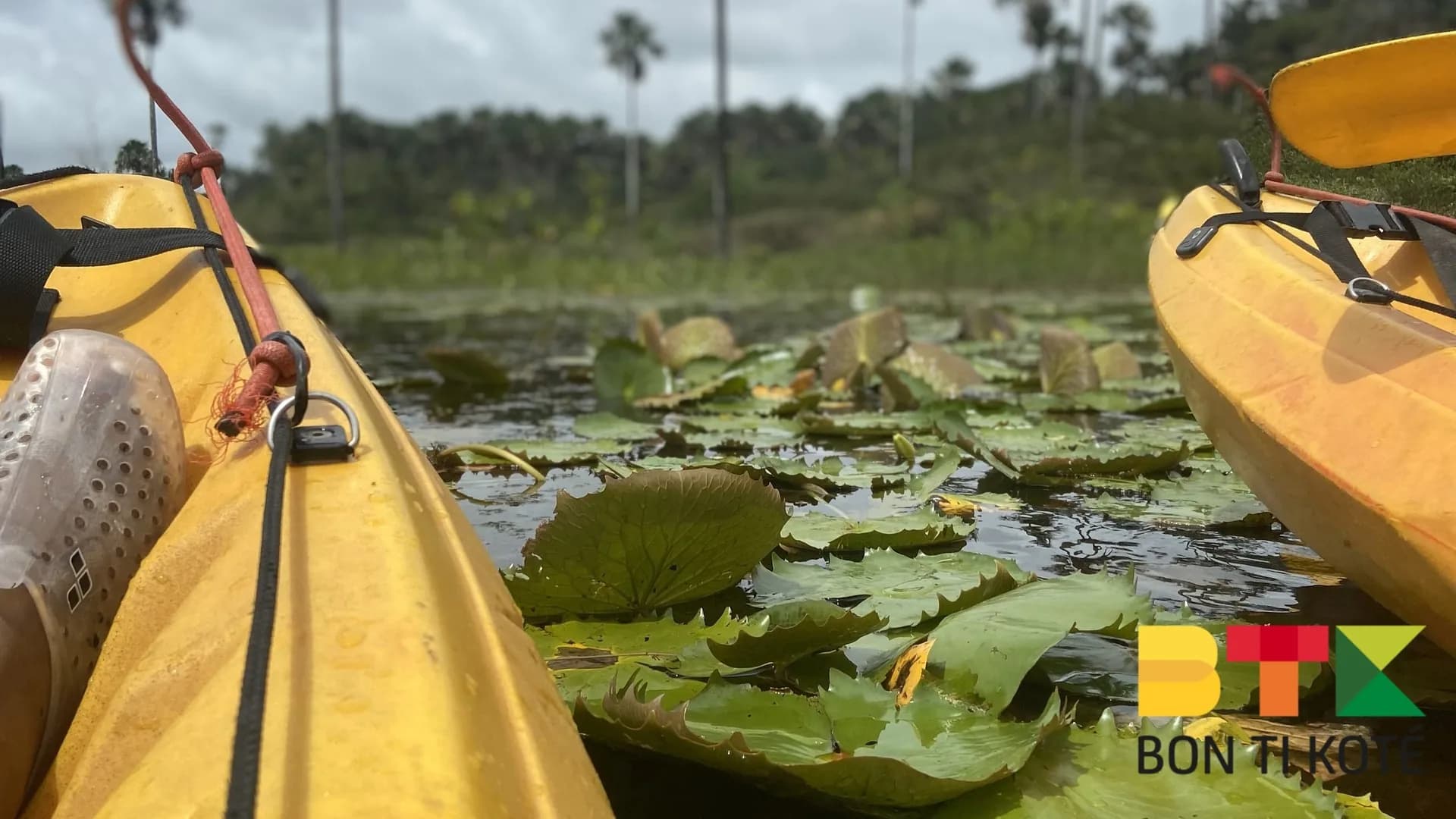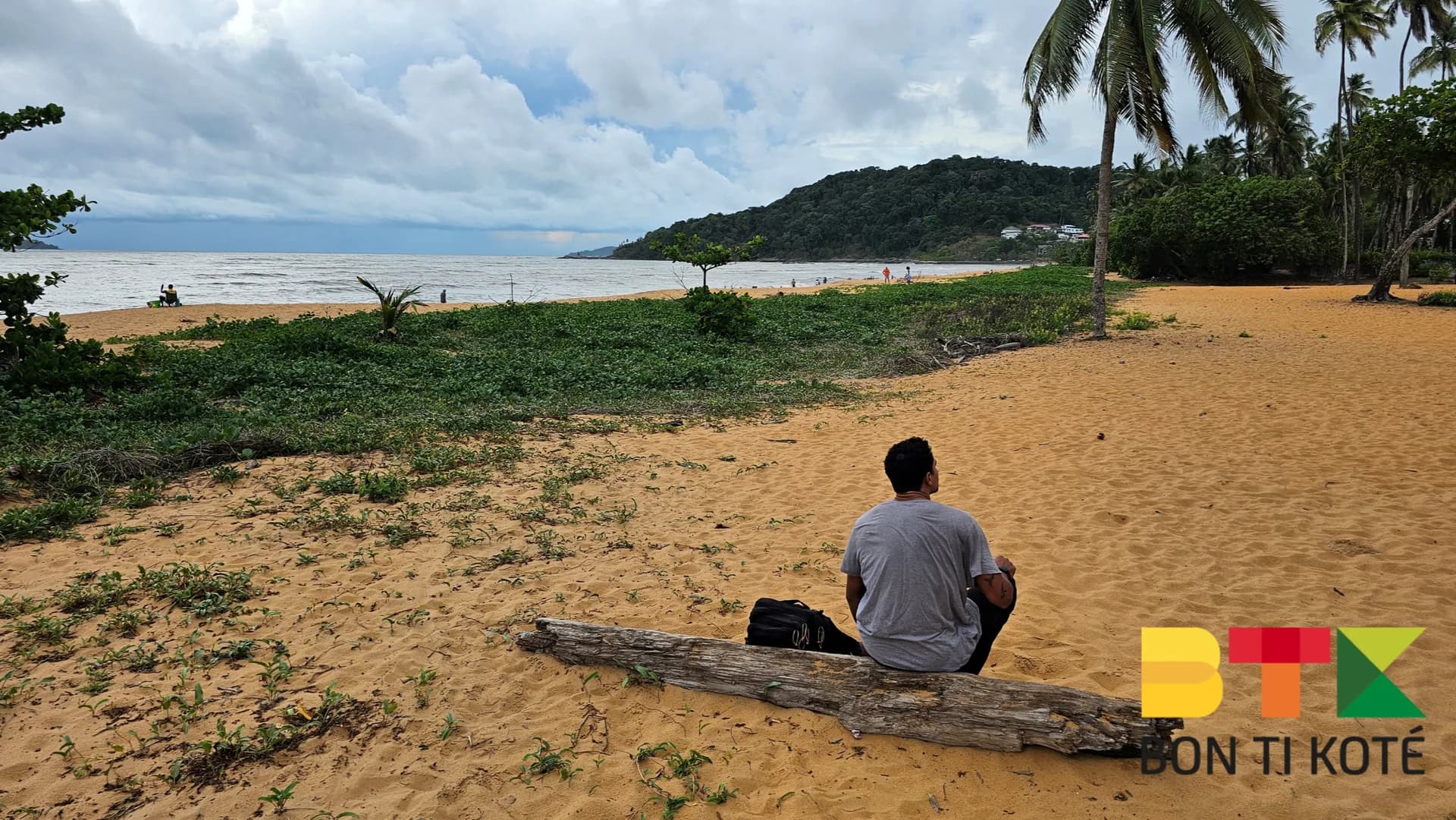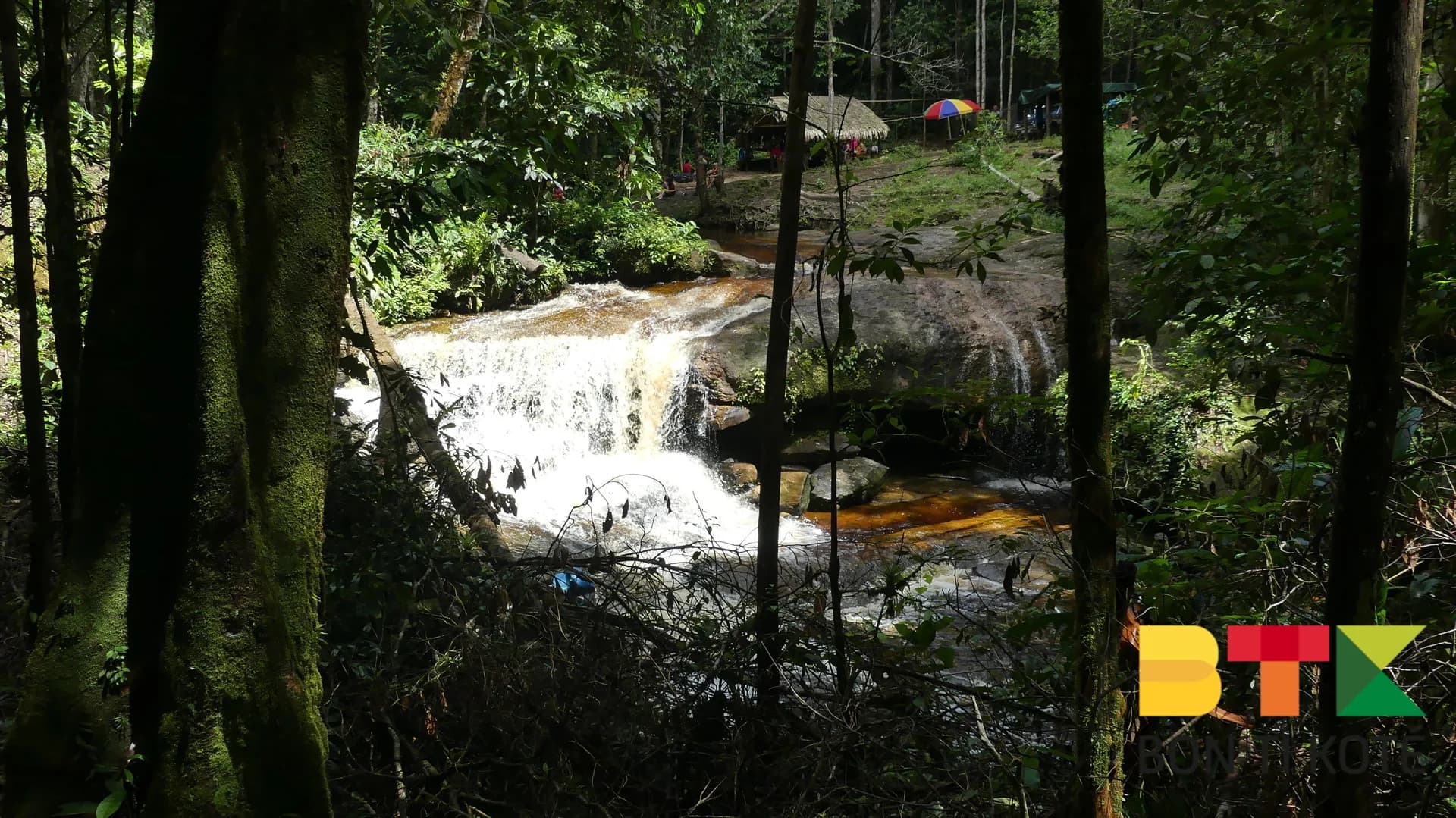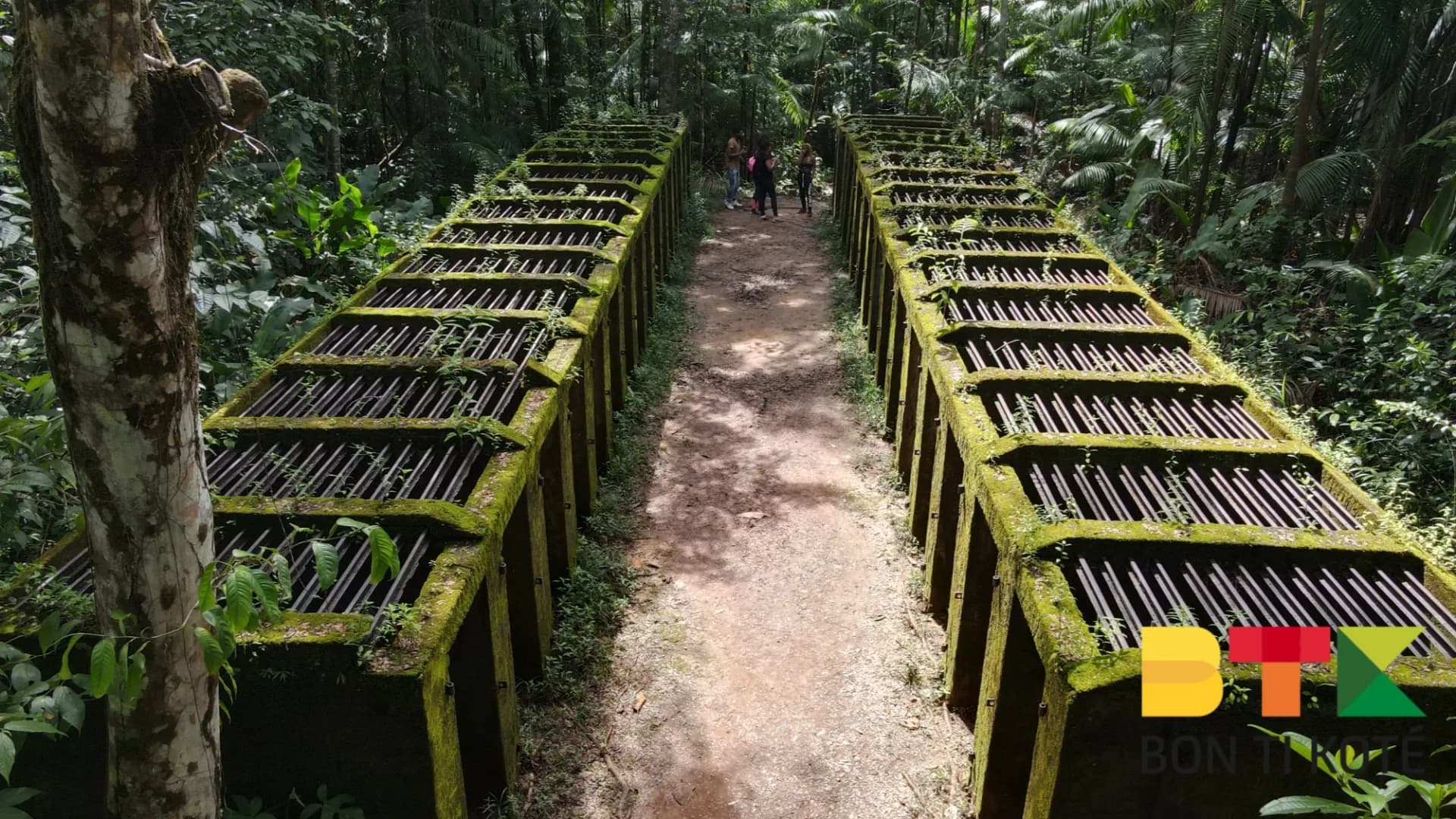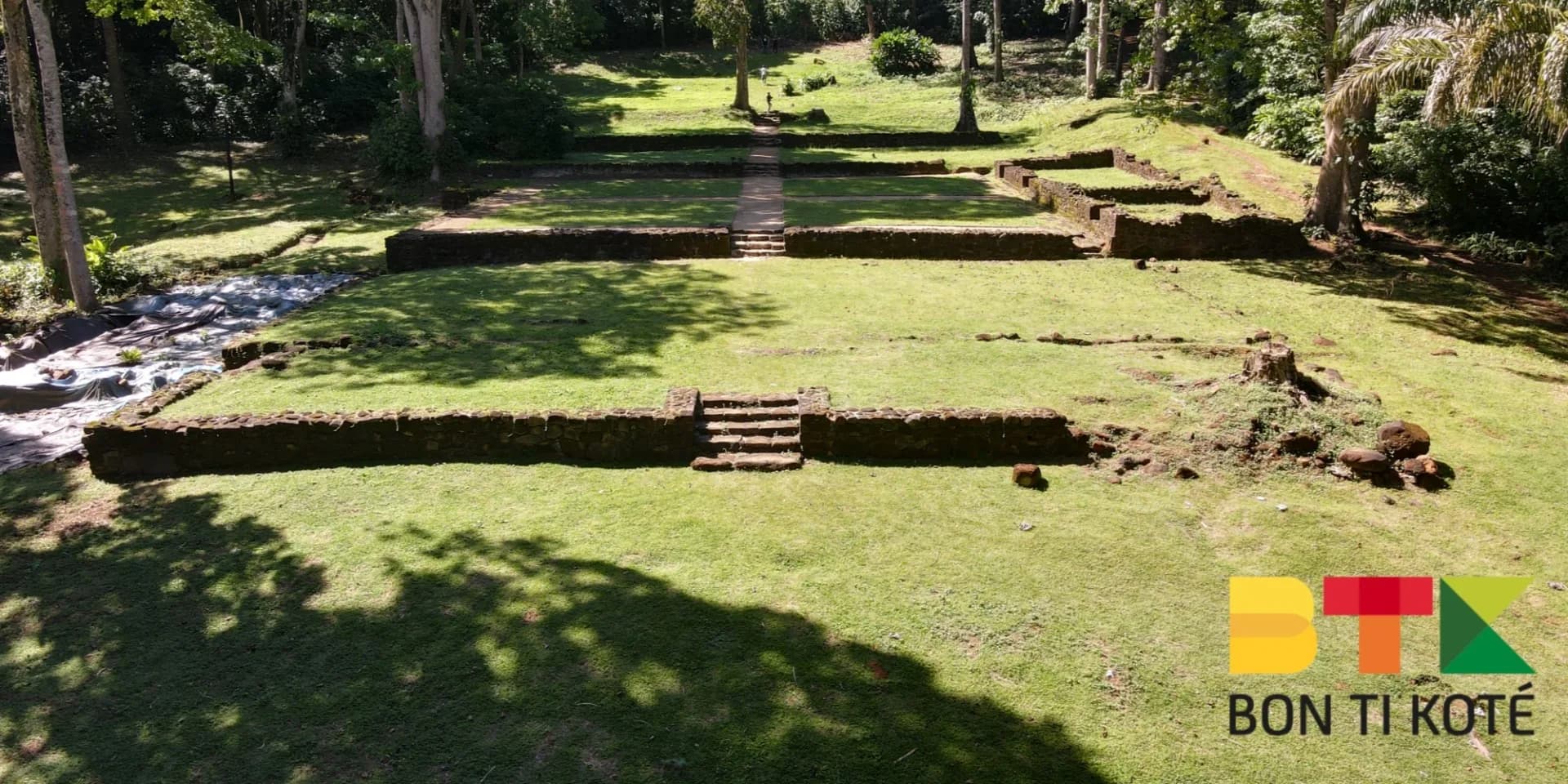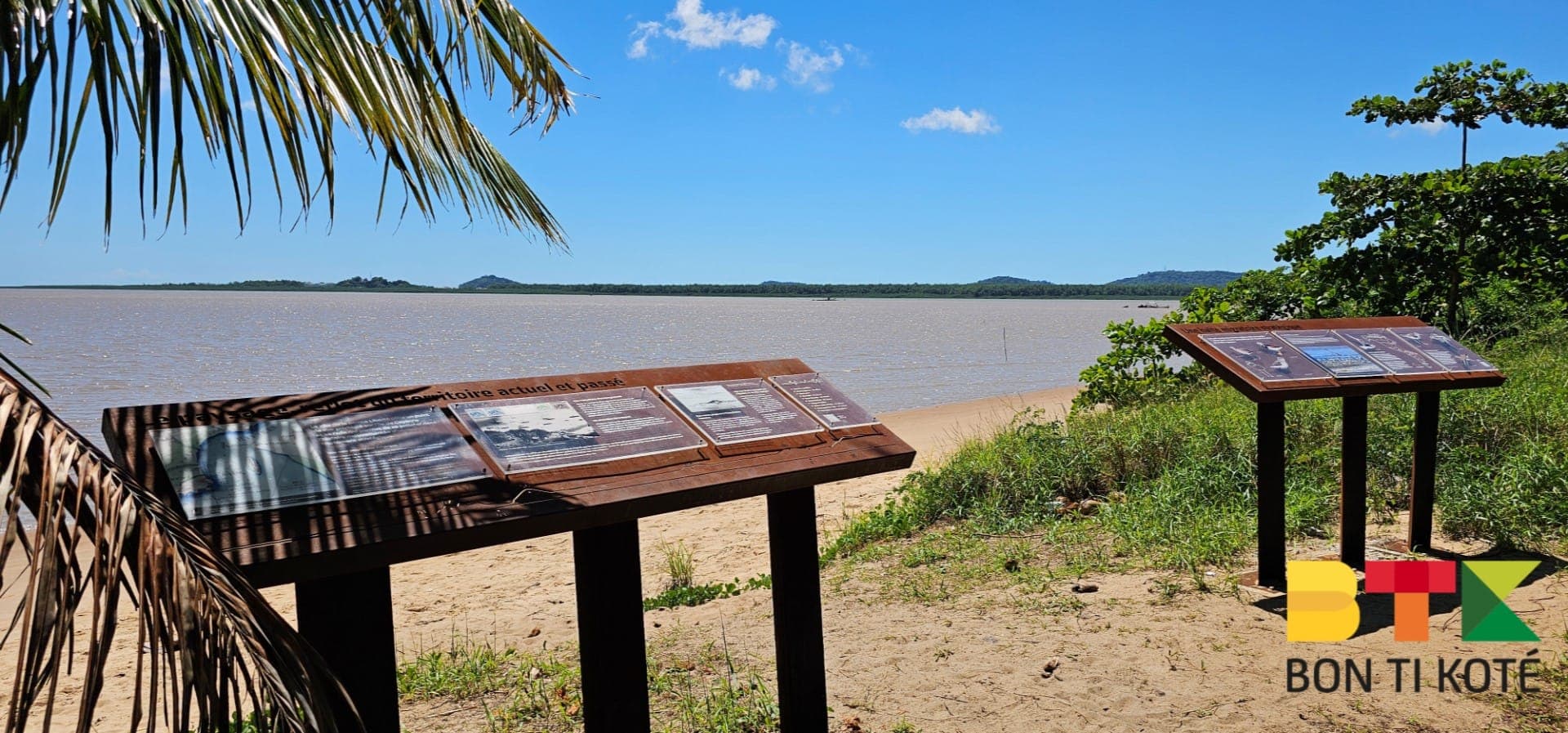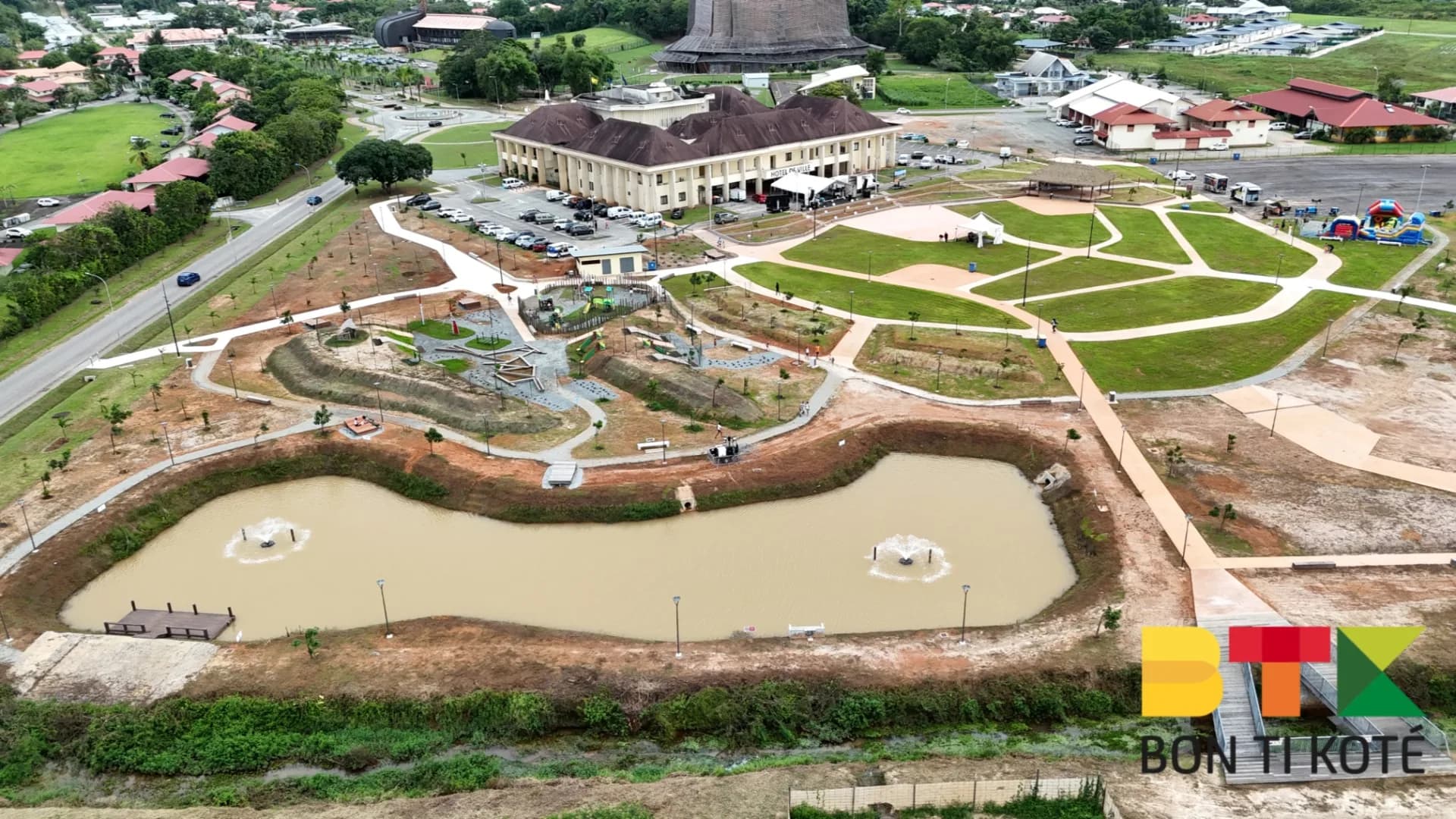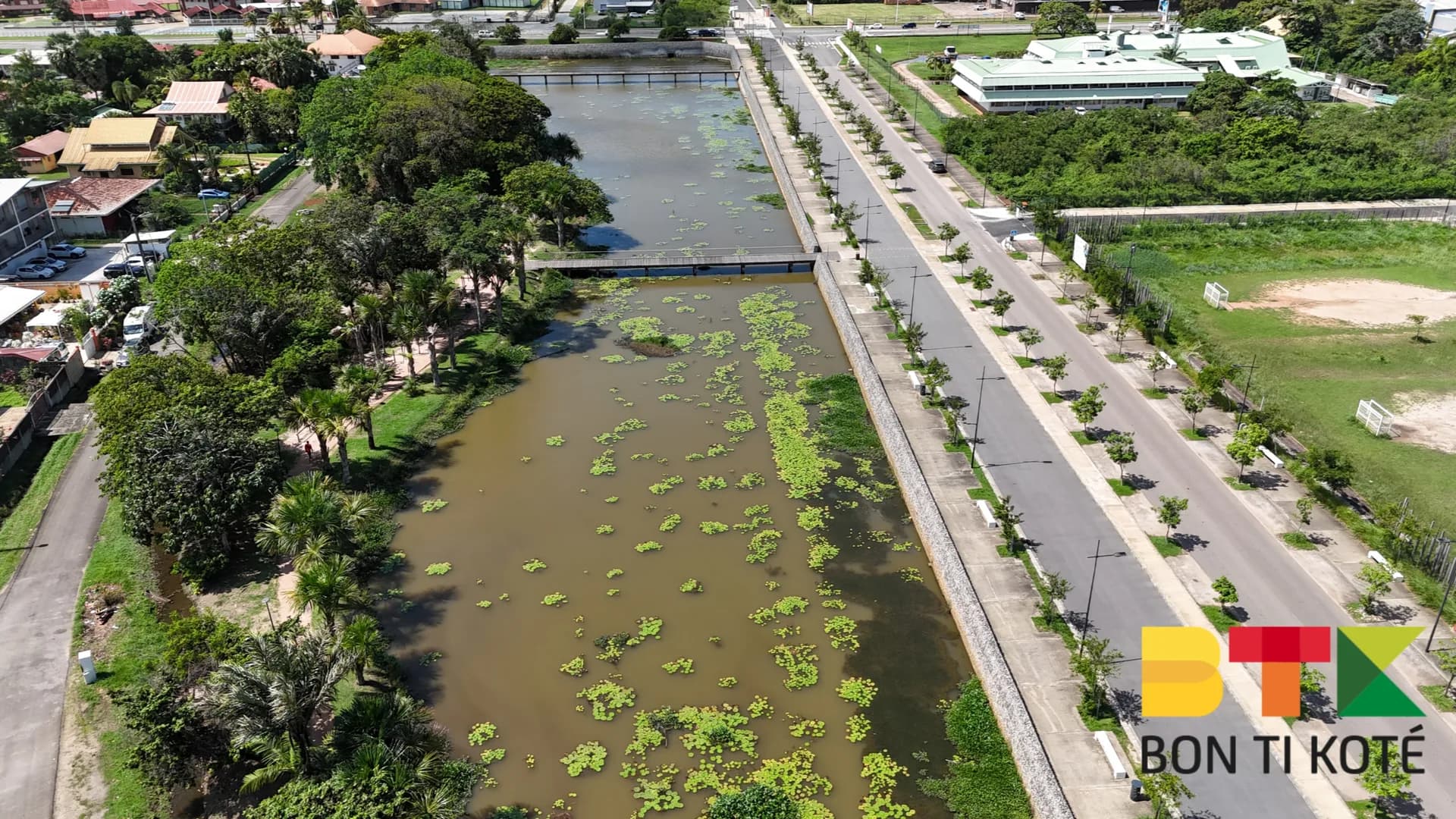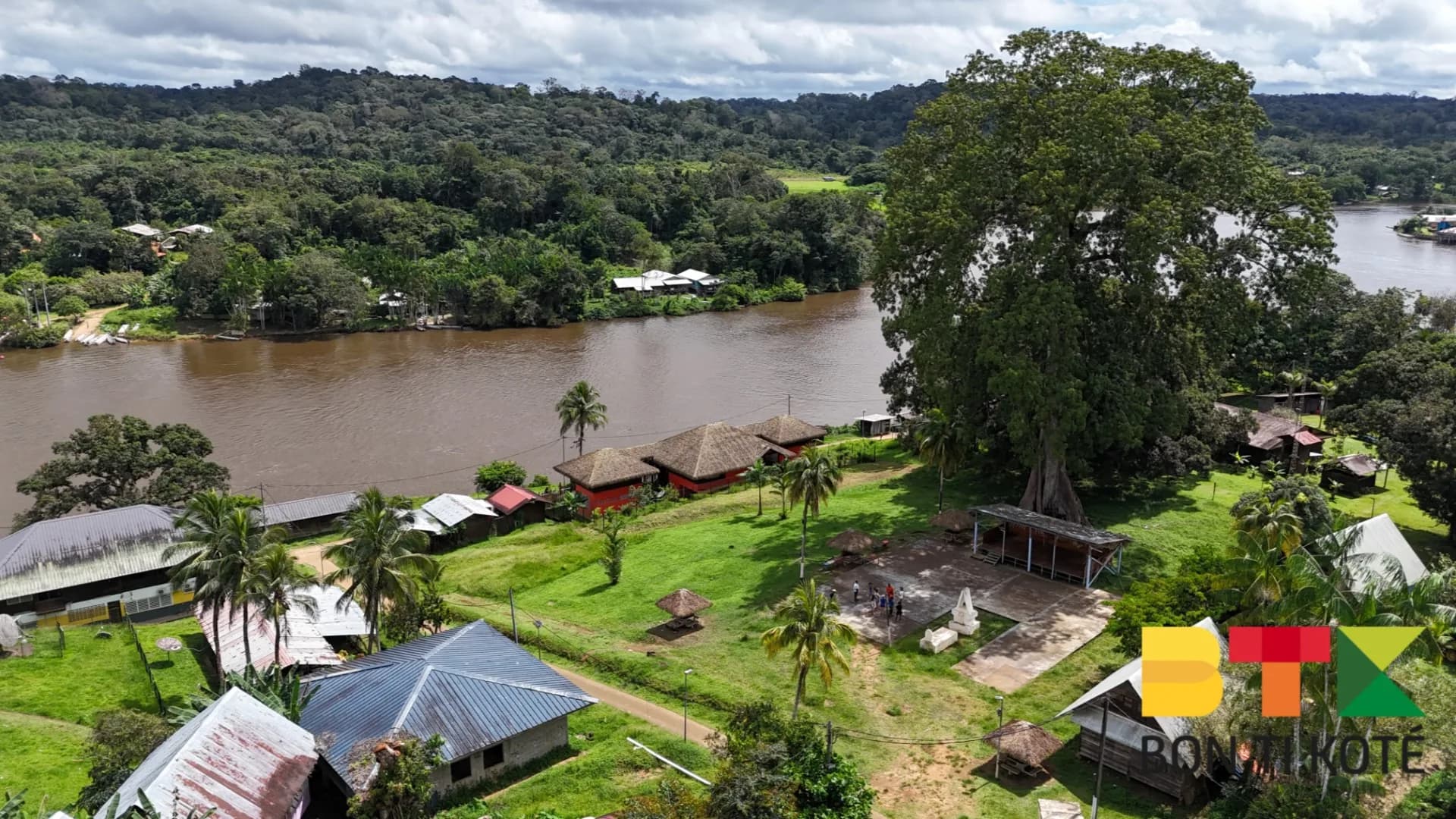

87 places listed, curated by the BTK team — hidden creeks, waterfalls, trails, street murals, Amerindian villages. All free, sometimes you just need to know where to go.

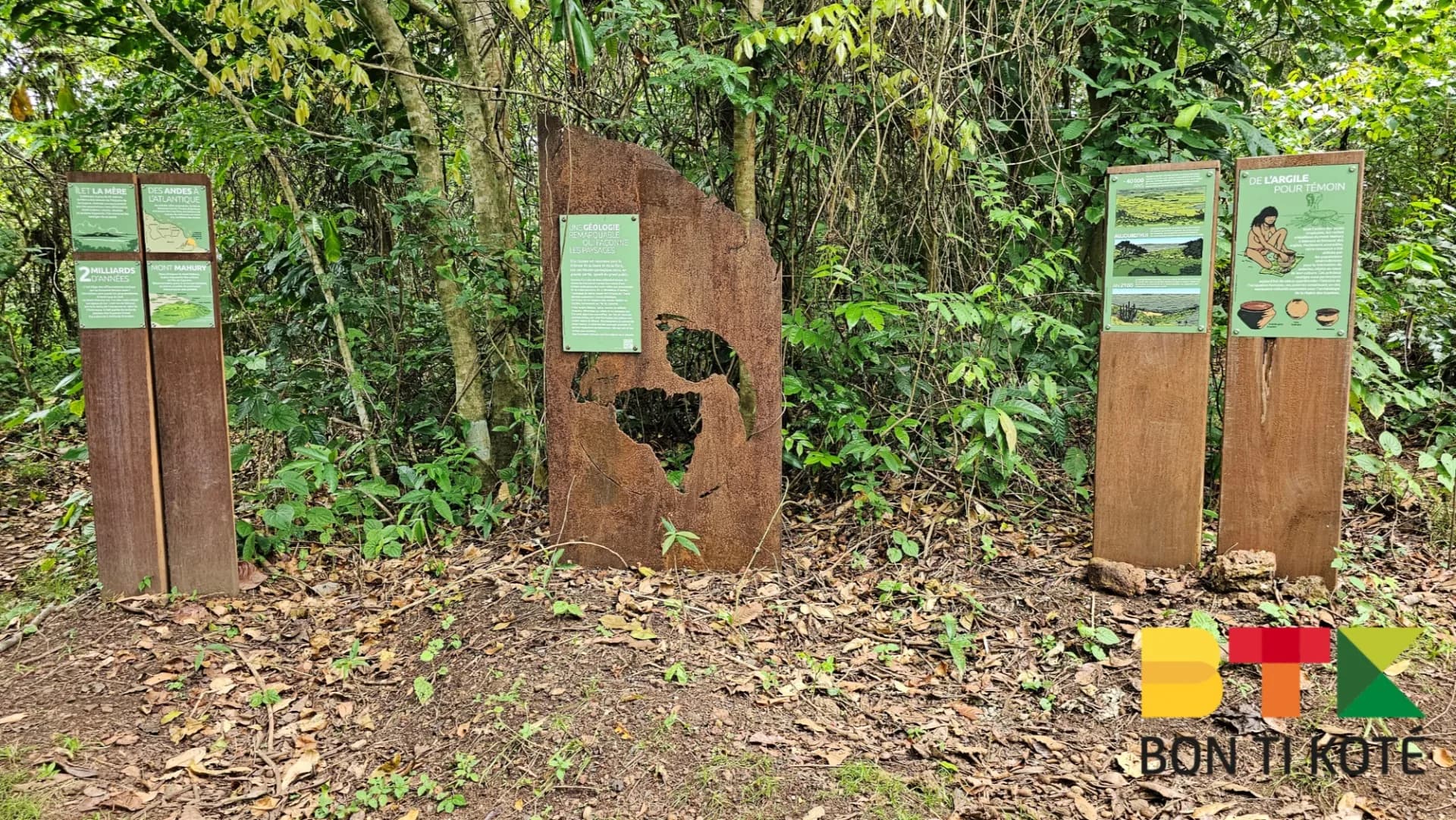
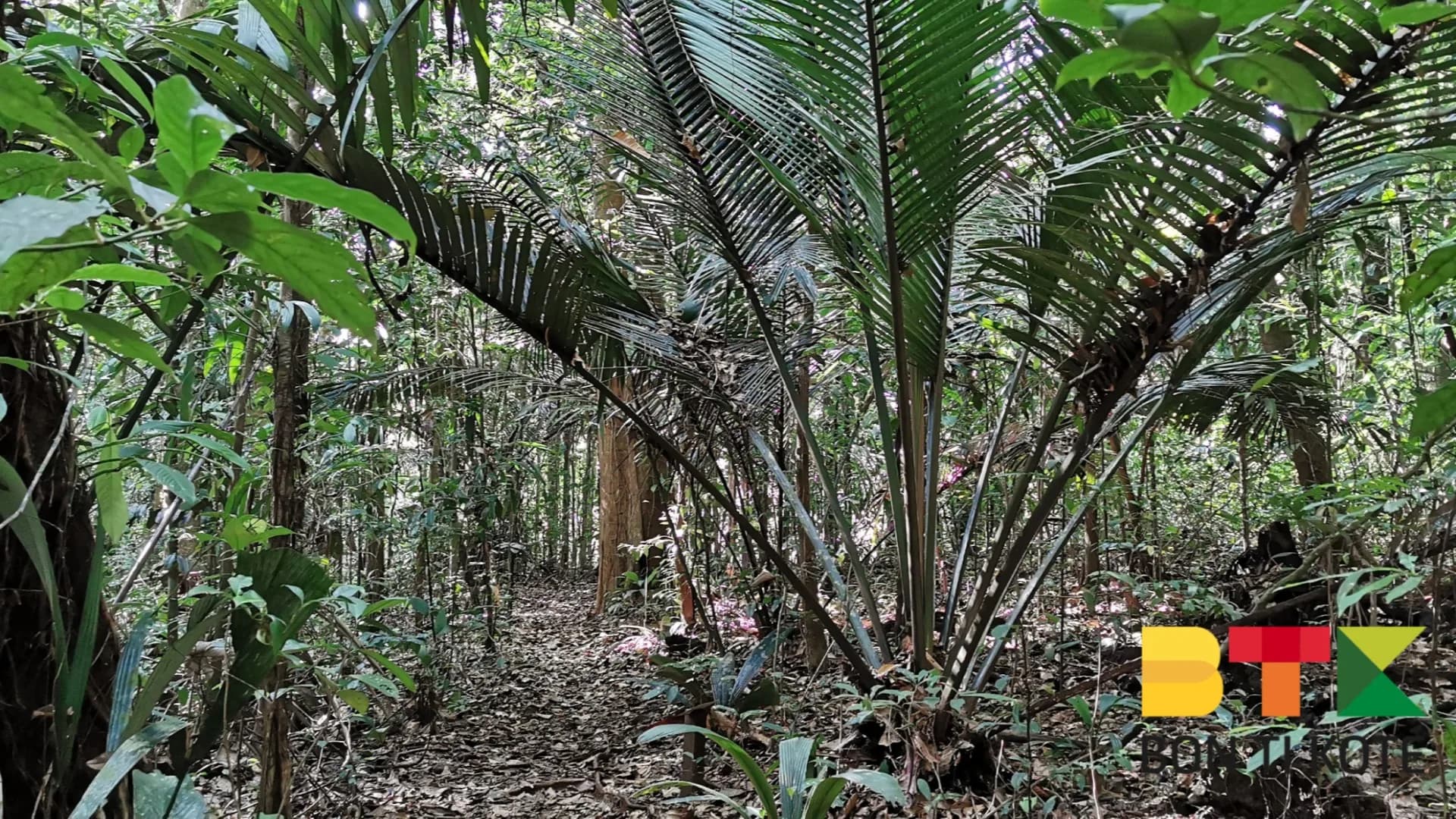
In Rémire-Montjoly, the Loyola Jesuit estate is explored via a 2-hour trail: historic terraces, forest, and a view over the Ilet la Mère.

Cayenne, French Guiana: the Botanical Garden showcases tropical flora — orchids, palms and medicinal plants — and invites visitors to explore and learn.

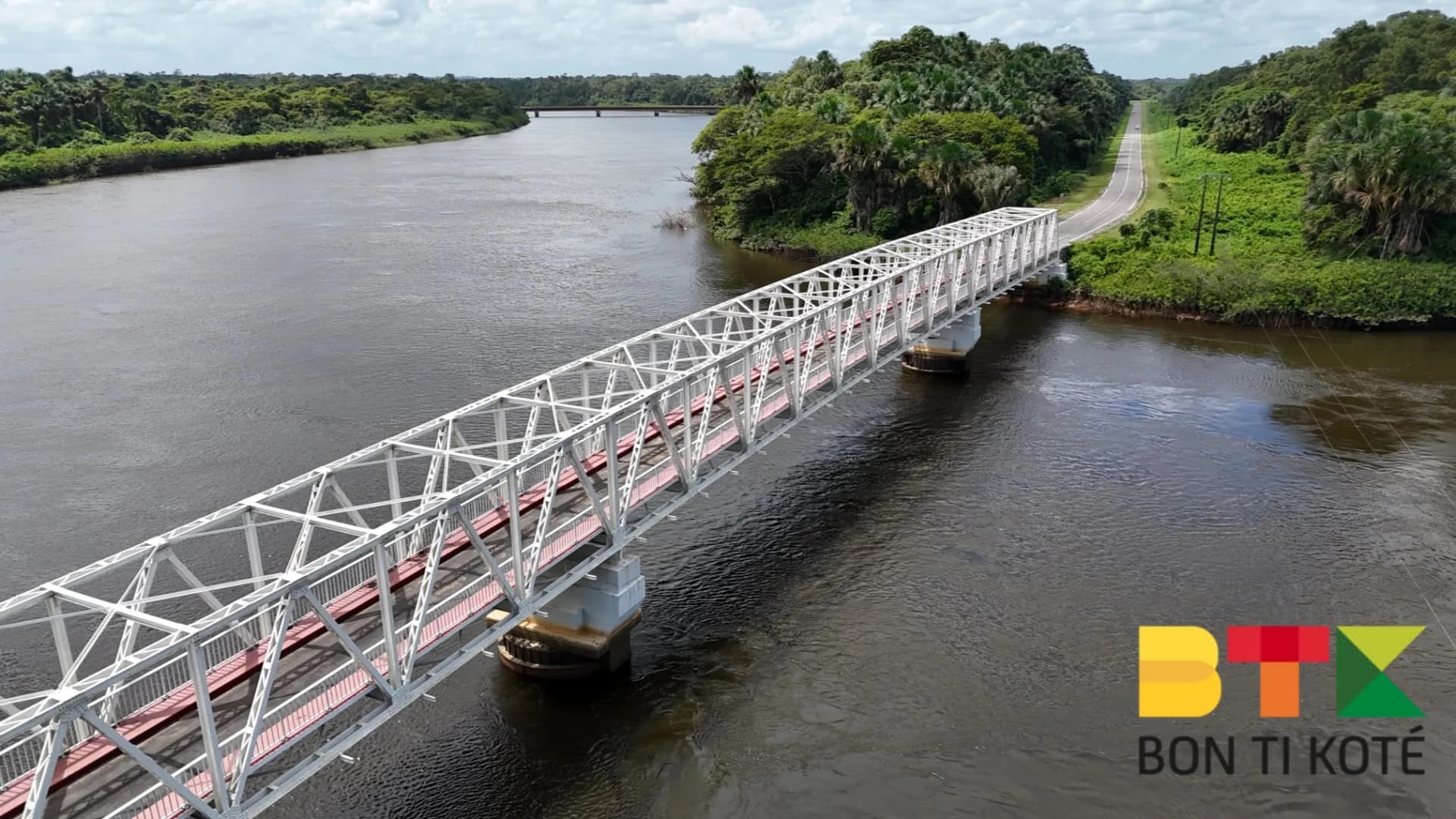
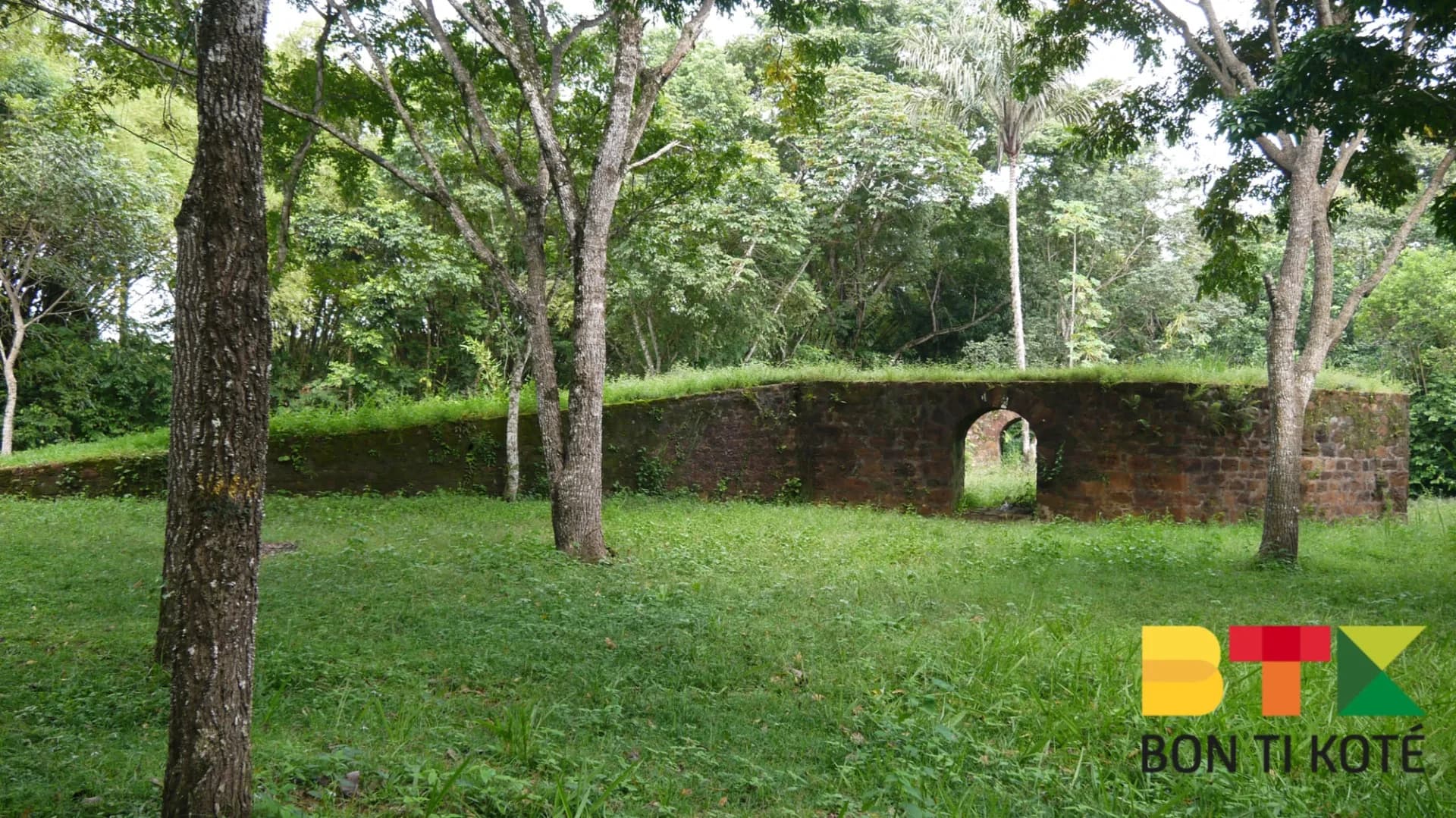
Sinnamary, French Guiana: the Pont de Madame de Maintenon, a 19th-century stone bridge, spans the Sinnamary river and links its two banks.
In Cayenne, the mural BIEN GRILLÉES by artist Bassa pays tribute to a roasted peanut vendor, painted on the base of the lighthouse at Fort Cépérou.

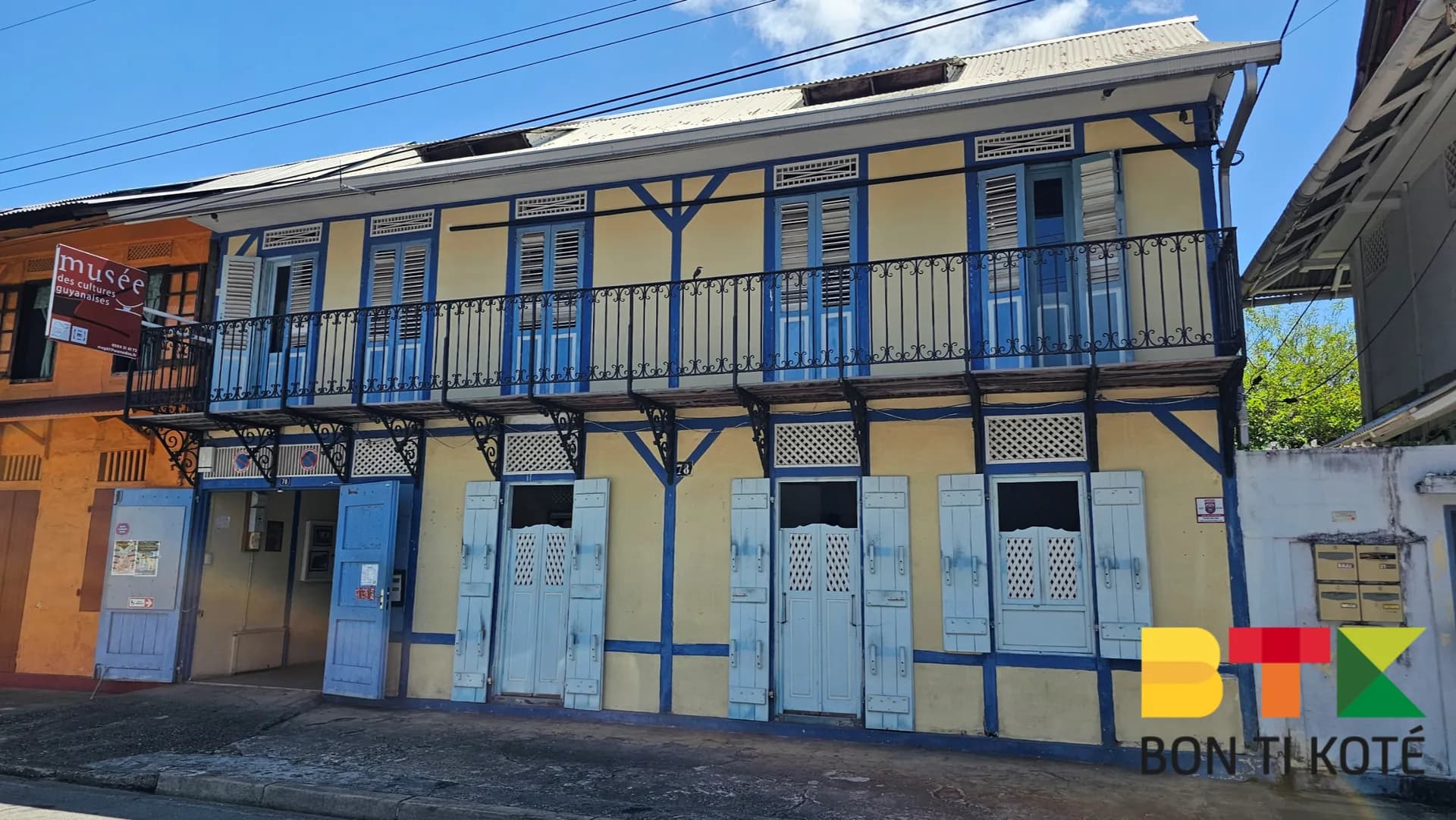
Cayenne: the Museum of Guyanese Cultures presents Amerindian collections, colonial archives and contemporary art, with workshops and lectures.

Rémire-Montjoly : le Fort Diamant, érigé de 1840 à 1849 à l'embouchure du Mahury, offre un point de vue sur l'Atlantique et le départ d'un sentier.

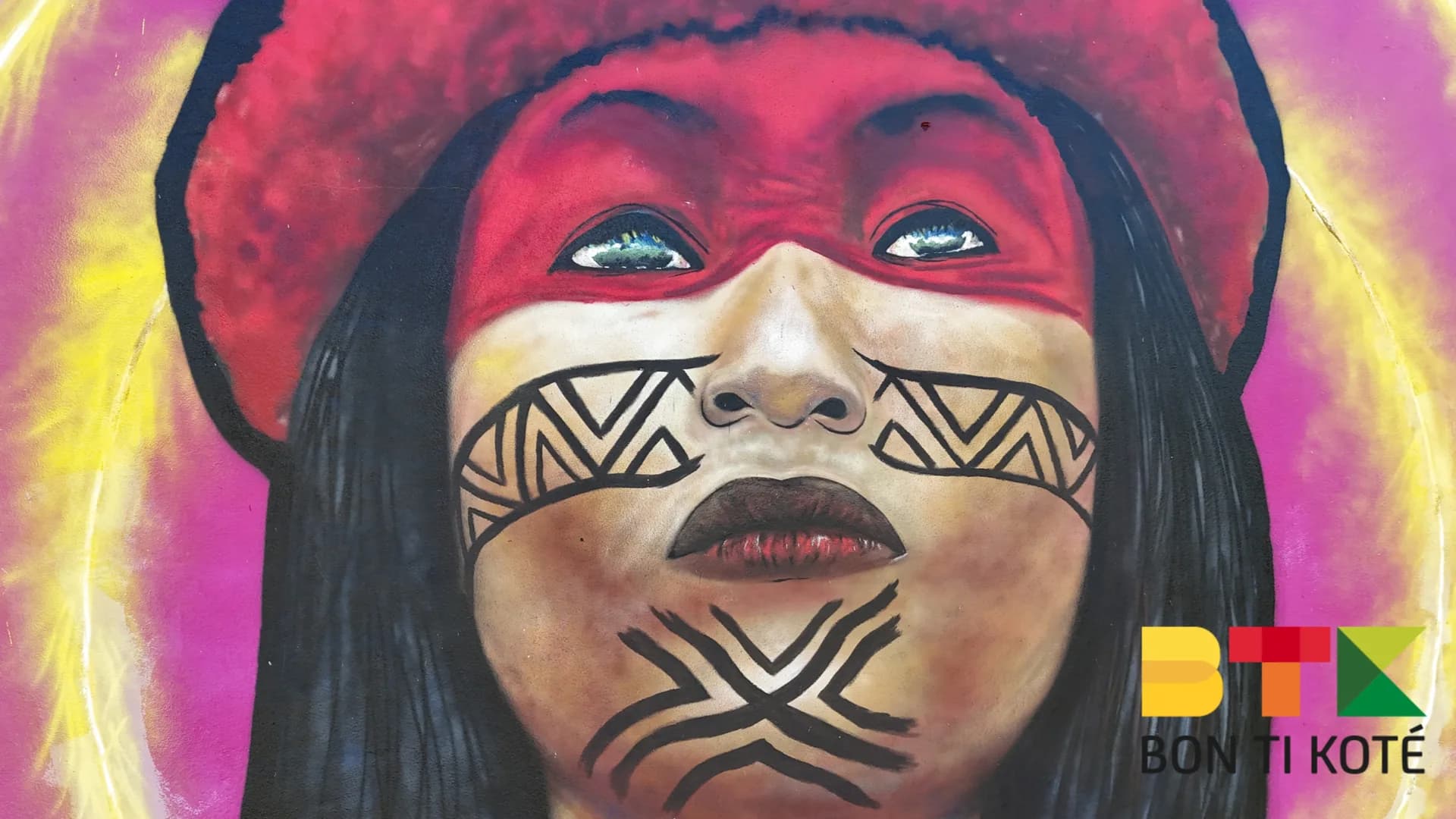
In Cayenne, YUNAE by artist Bassa depicts a Kalin'a indigenous woman — both nurturer and warrior — inspired by the Voodoo deity Erzulie.

Cayenne: Fort Céperou, a listed historic monument on Mont Céperou, has dominated the city and the mouth of the Cayenne river since the 17th century.

Cayenne, French Guiana: the "Broken Chains" monument, unveiled in 2011, commemorates the abolition of slavery and the memory of the slave trade.

Near Régina, the Kaw Marshes — one of the largest nature reserves in France — are best explored by pirogue: caimans, capybaras, and giant otters await.

Mana: Saint-Joseph church, erected in 1840 by Anne-Marie Javouhey, is a neo-Gothic wood and brick building adorned with mural paintings.

Iracoubo: the Saint-Joseph Church, built in the 19th century, is famous for its interior frescoes painted by convict Pierre Huguet.

In Kourou, the Tour Dreyfus — a former semaphore tower dating from 1856 at Pointe des Roches — is one of the last remnants of the penal colony, standing where the river meets the Atlantic.

Cayenne: Îlet la Mère, off Rémire-Montjoly, blends free-roaming squirrel monkeys, a circular hiking trail, Amerindian grinding stones and local legends.

Iracoubo, French Guiana: a memorial inaugurated in August 2024 honoring the 47 Kali'na and Arawak people who were victims of the ethnographic exhibitions of 1882 and 1892.

In Régina, French Guiana, the Éco-Musée de Régina-Kaw — the territory's only ecomuseum — traces the history of the Approuague River in a restored Creole house.

In the heart of Cayenne, the Place des Palmistes, lined with palm trees and historic buildings, hosts festivals, concerts, and food stalls in the evenings.

Cayenne: the Franconie Museum, housed in a 1901 Creole townhouse, presents the history, heritage and biodiversity of French Guiana.

Cayenne, French Guiana: a historic square in the city center, formerly the Place du Marché, featuring a war memorial topped with a bronze Gallic rooster.

Roura: Saint-Dominique church, built by Jesuits in the late 17th century in wood and brick, is a listed historic monument on the banks of the Oyak river.

Saint-Laurent-du-Maroni, French Guiana: the Camp de la Transportation, a former penal colony established in 1852, can be visited with its Heritage Interpretation Centre (CIAP).

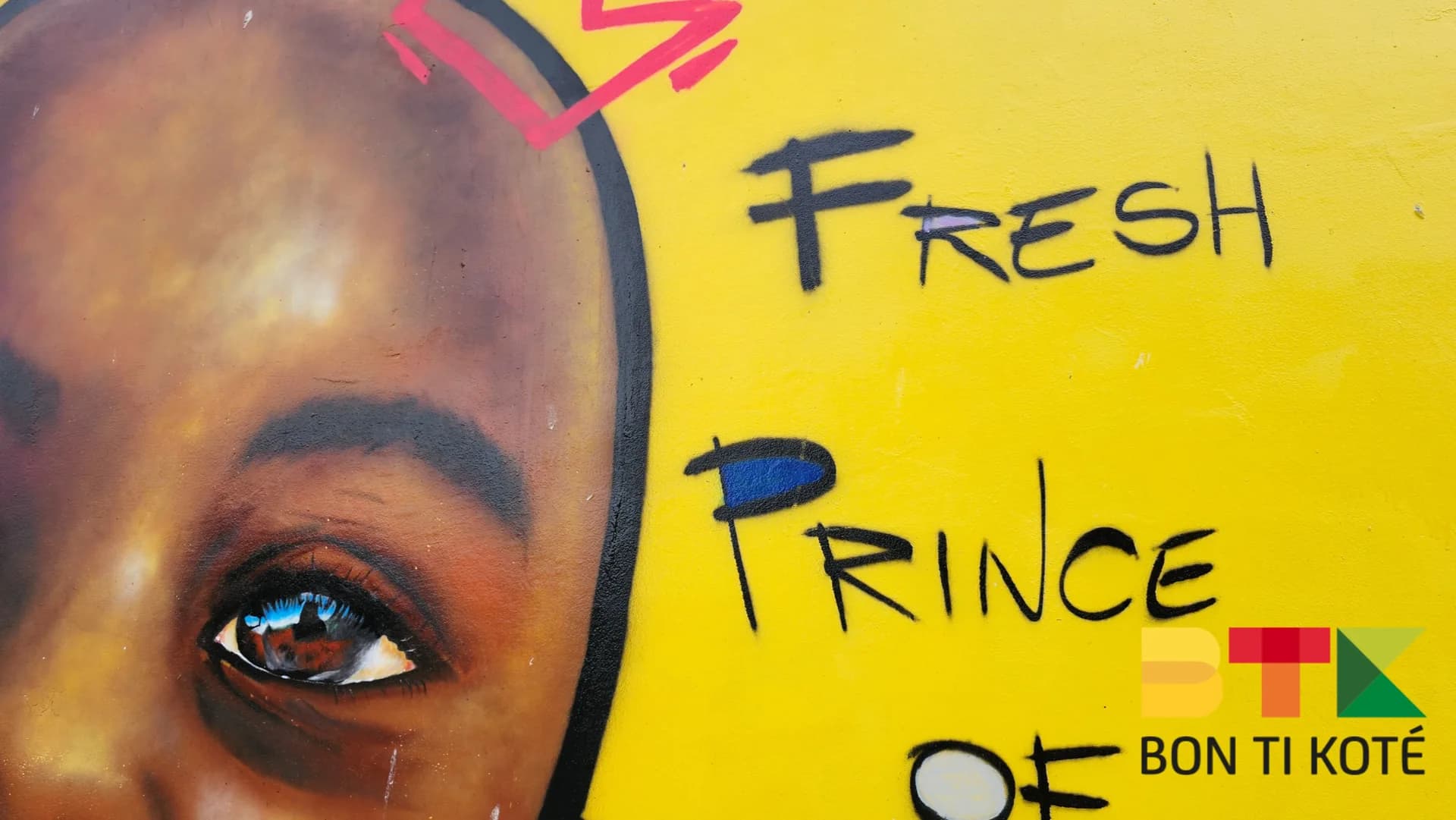
Macouria: "Le Prince de Soula", a mural by artist Bassa in the ZAC de Soula, depicts a smiling boy — a symbol of hope painted for the ATIPART festival.

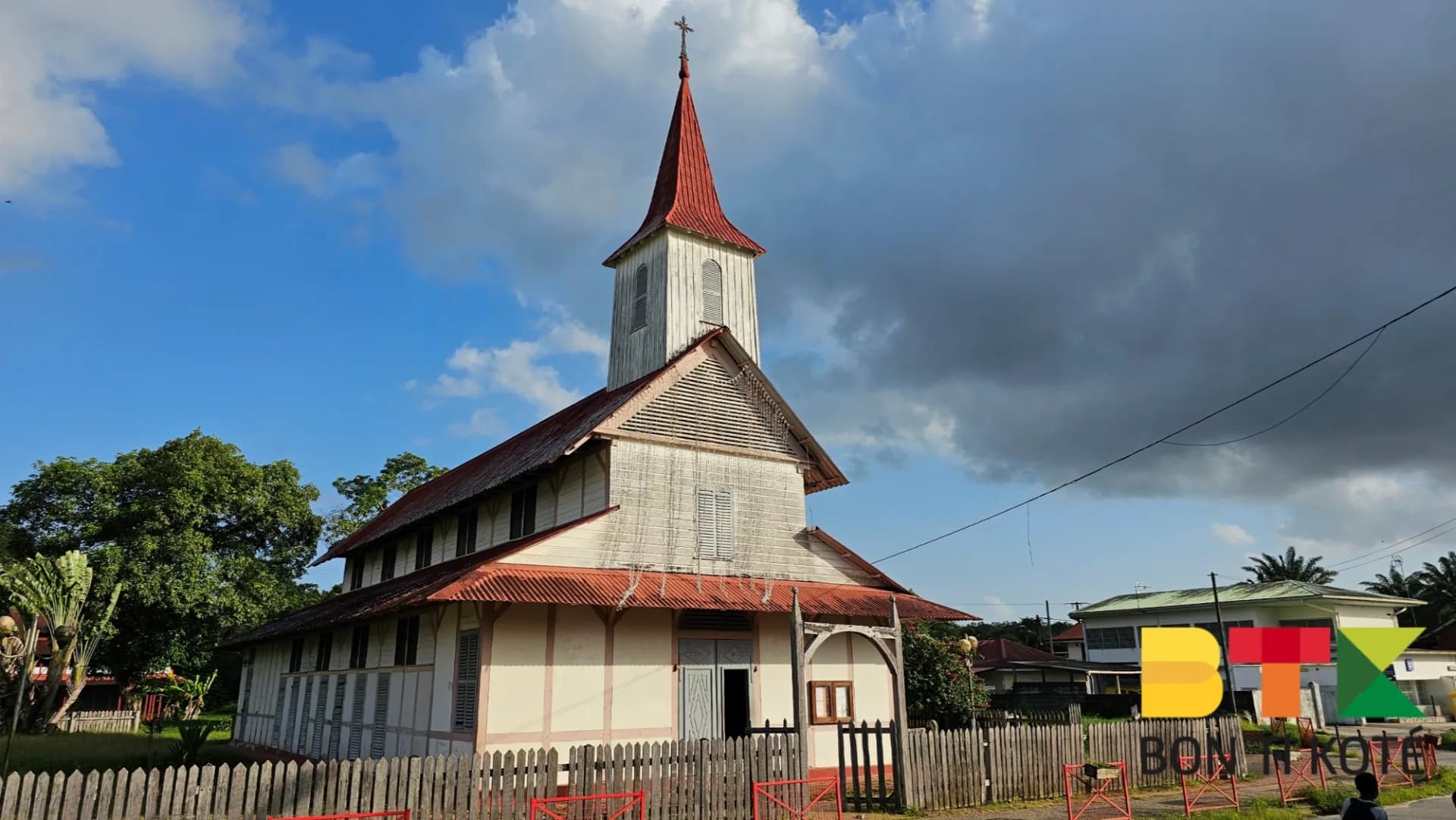
Sinnamary: Notre-Dame de l'Assomption church, a neo-Gothic reinforced concrete structure built between 1928 and 1937, has been a listed historic monument since 1997.

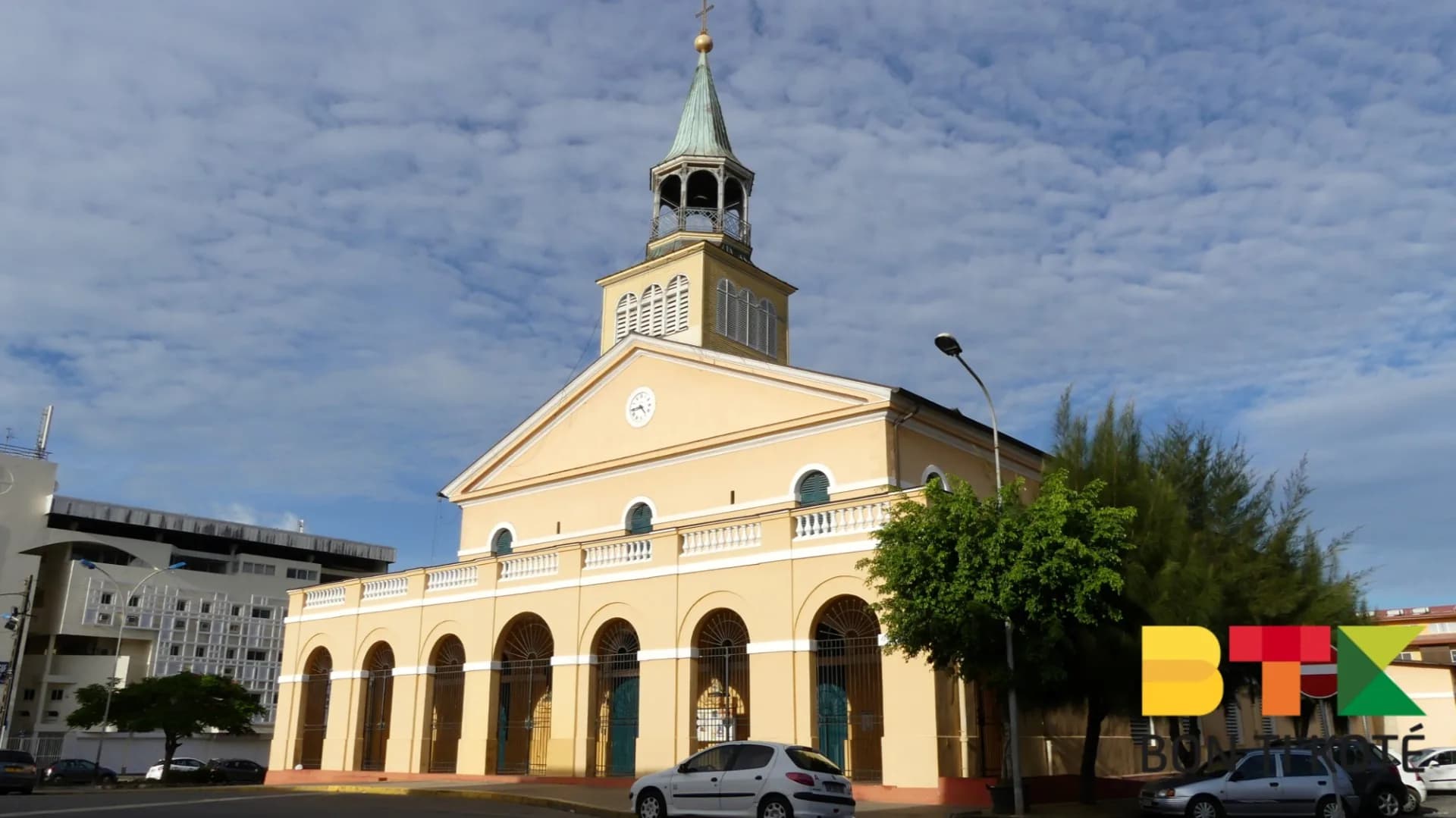
Cayenne, French Guiana: the Saint-Sauveur Cathedral, a neo-Gothic building constructed between 1825 and 1833, is the seat of the Diocese of Cayenne.

Cayenne, French Guiana: the powder magazine, built in 1767 by the Jesuits to store gunpowder, has been a listed historic monument since 1988.

In Cayenne, the former Jean Martial Hospital, a witness to colonial architecture and French Guiana's medical history, is recognised as a historic monument.

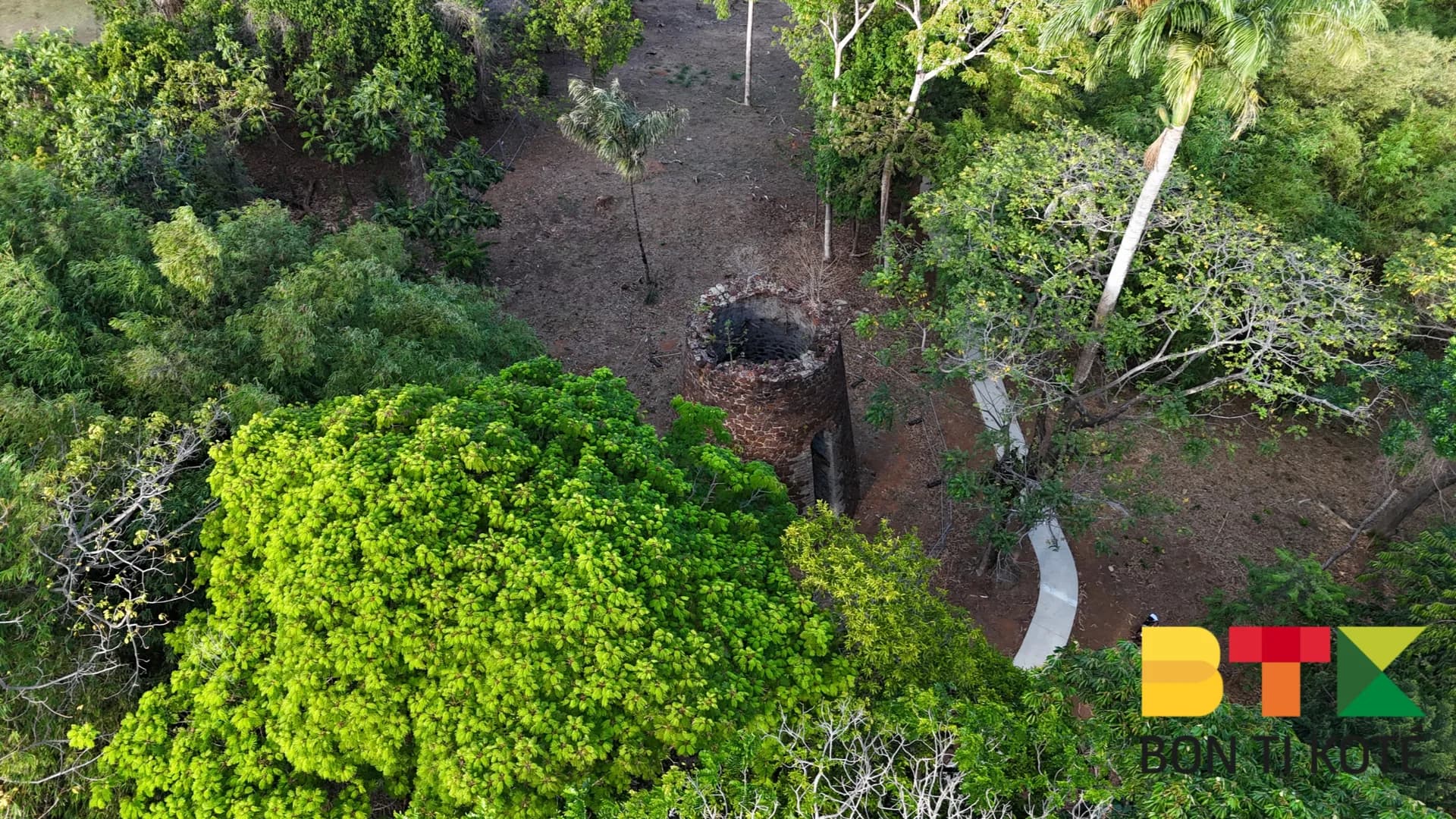
In Rémire-Montjoly, the Parc du Moulin à Vent combines relaxation and heritage: a listed 18th-century windmill and a 750-metre walking trail.

In Cayenne, LE GUERRIER by artist Bassa depicts a Kalin'a indigenous warrior blending tradition and modernity, located near the École Jean Macé.

Cayenne, French Guiana: a 19th-century central market on Place du Coq, with an iron structure from the Eiffel workshops, selling fresh produce, spices, and Chinese soup.

Cayenne, French Guiana: a former colonial port on the waterfront, now a quiet local fishing spot bordered by mangroves that sometimes obscure the view of the sea.

In Saint-Laurent-du-Maroni, the bronze statue "La Peine du Bagnard" (The Convict's Suffering), installed in 1993 near the Camp de la Transportation on the banks of the Maroni River.
The BTK directory is curated by our team, but we love local tips. Suggest a place, we'll check it and add it.