
Culture & patrimoine★ Free accessRemire-Montjoly
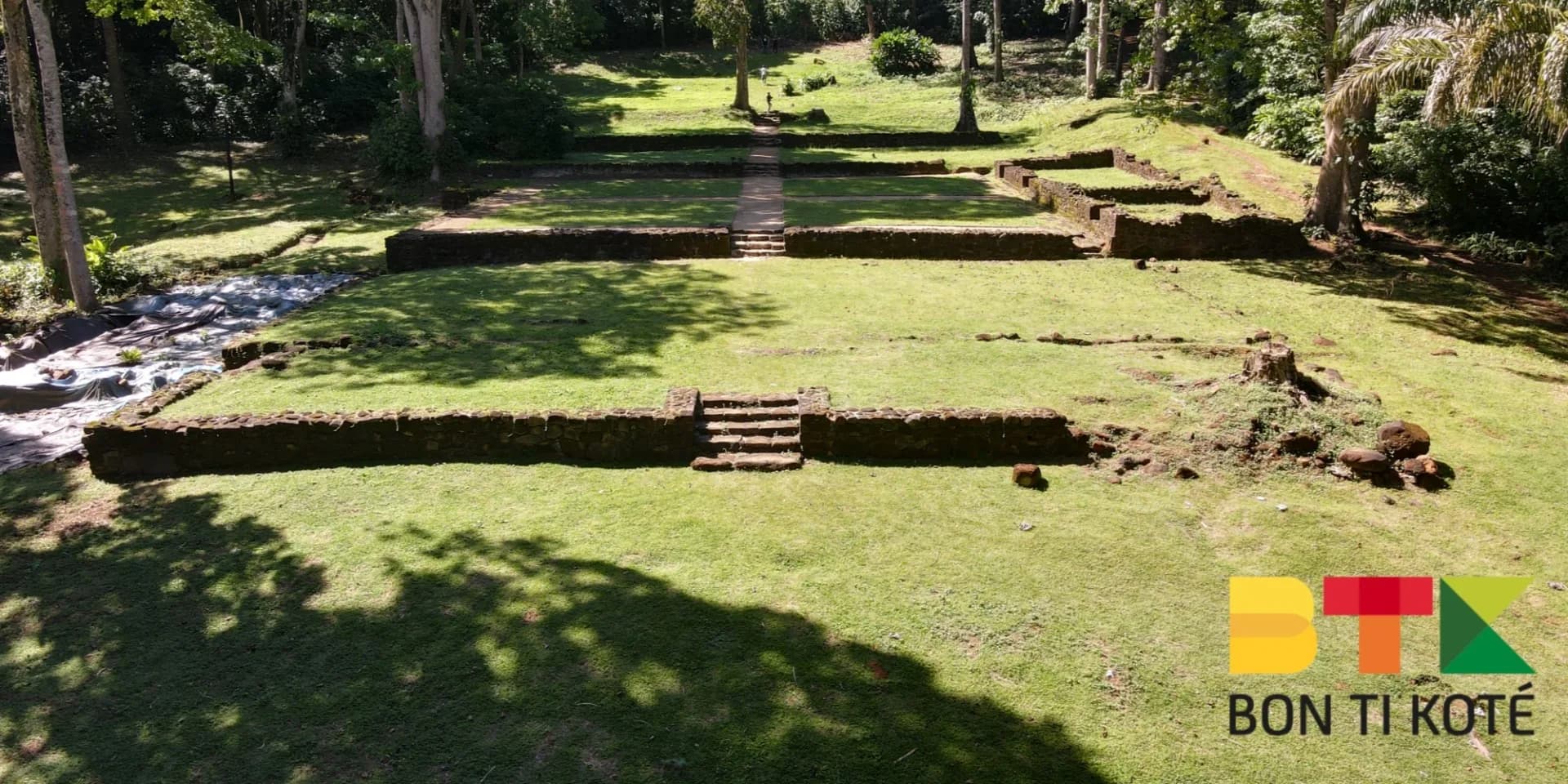
Loyola, ancienne habitation Jésuite
Free access
Distance1,7 kmDifficultéFacile
Gallery
Getting there
Frequently asked questions
Where is the Loyola estate located?+
The Loyola estate is located in Rémire-Montjoly, in French Guiana, on the edge of the Rémire road (RD2), on a spur of the Rémire mountain.
Who founded the Loyola estate?+
It was founded by the Jesuits in the mid-17th century, using the Quincy and Drague concessions acquired in 1665 and 1668, and transformed into a sugar plantation from 1674.
How long does the Loyola trail take?+
The trail takes approximately 2 hours and descends gently through secondary forest to the beach road.
What can you see from the trail?+
You can admire the estate's terraces, a remarkable kapok tree, and a viewpoint over the bay from which the Ilet la Mère can be distinguished.
Nearby & on site
In Remire-Montjoly
Other tours in the commune

Excursion Sunset a l'îlet la Mère : Excursion en fin de journée pour voir un magnifique coucher du soleil
Remire-Montjoly · 3h
320 €

Journée à la Comté en bateau avec skipper
Remire-Montjoly · 5h
420 €

Privatisez un bateau avec skipper et partez à la découverte du fleuve en Guyane jusqu’à Cacao
Remire-Montjoly · 7h
490 €
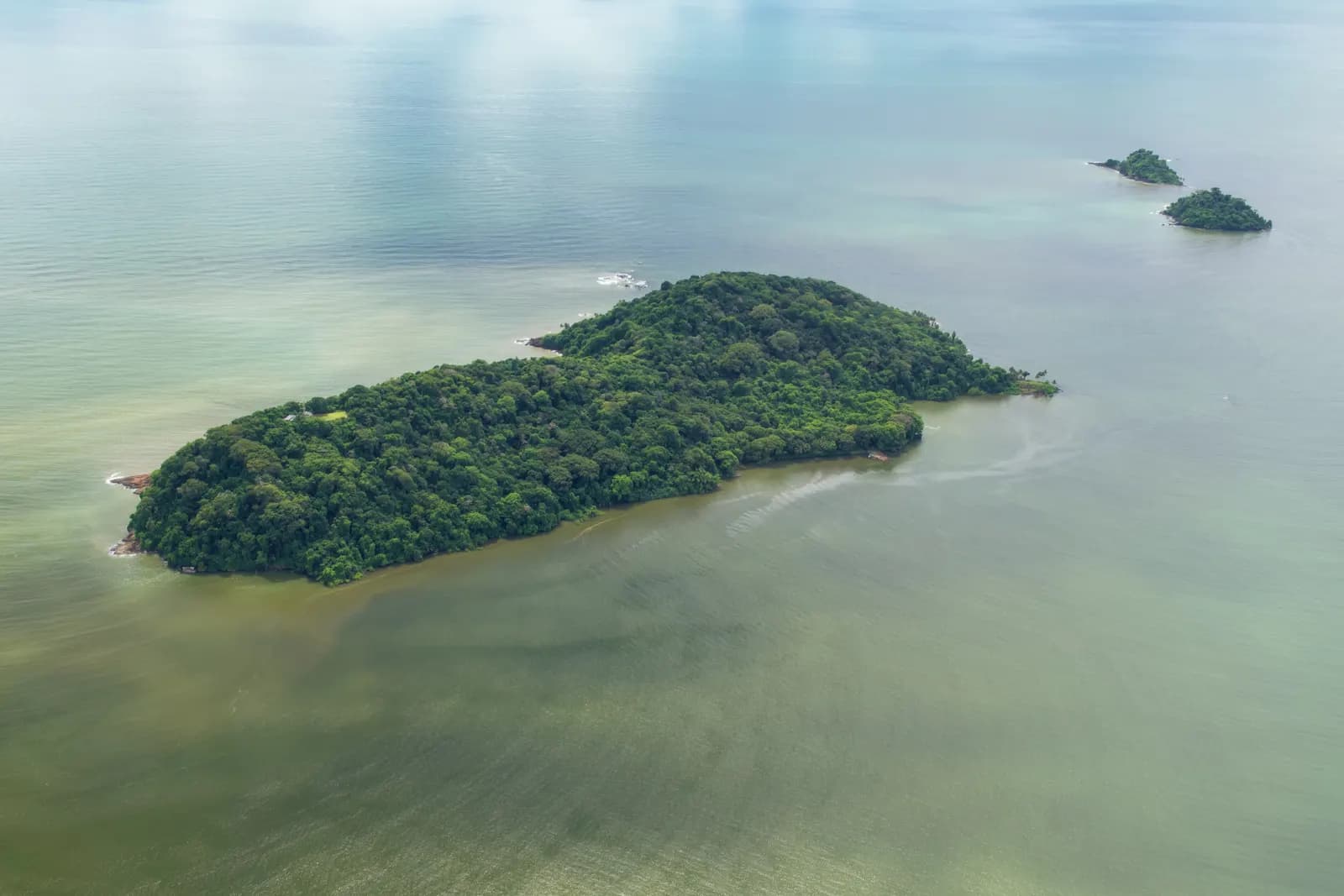
Excursion en bateau vers l’Îlet la Mère : Nature, Histoire et Rencontre avec les Saïmiris et les Dauphins Sotalies
Remire-Montjoly · 5h
379 €
↓ Keep exploring
Other places
Accès libre
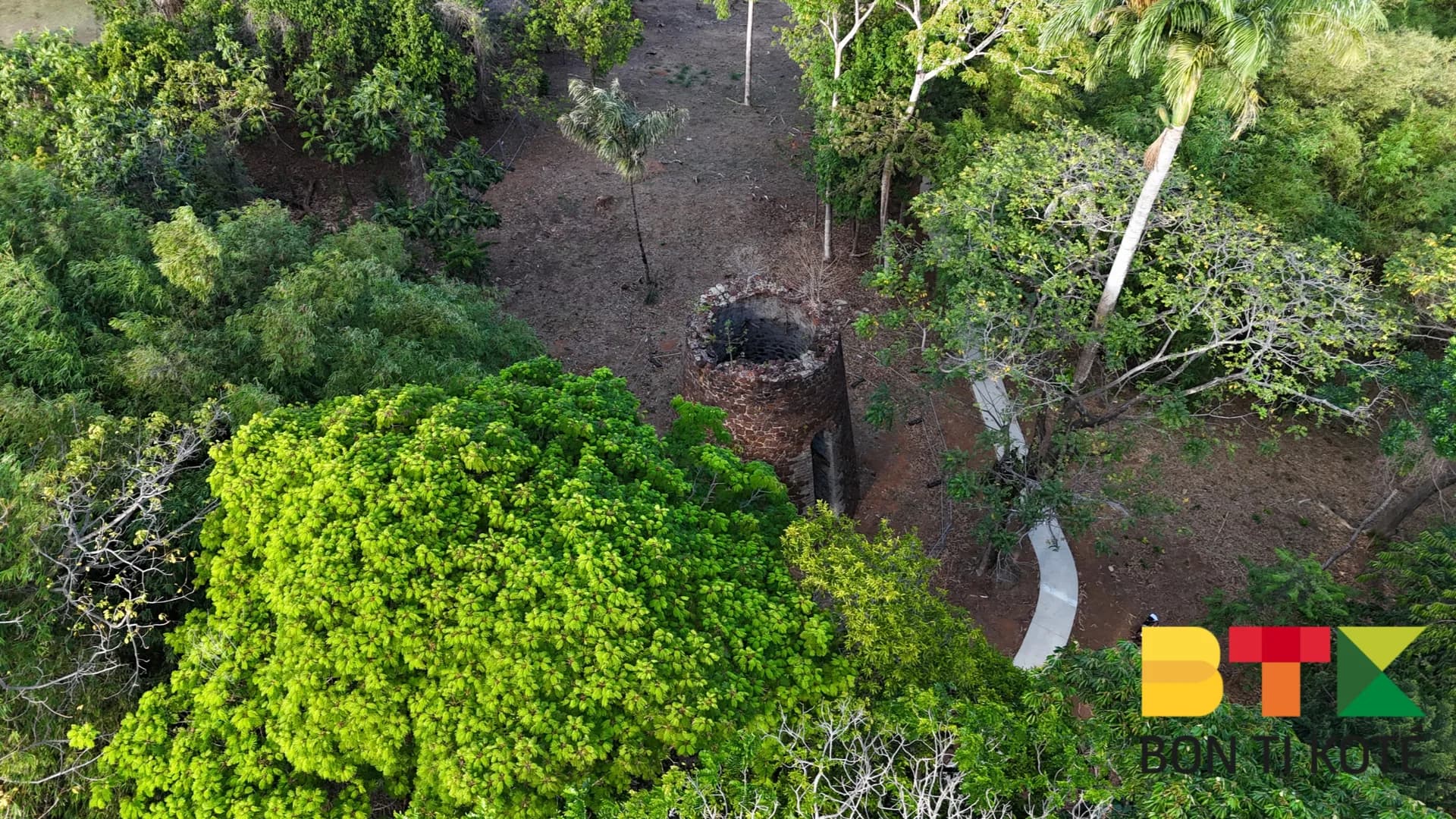
Parc du Moulin à Vent : patrimoine historique et espace de détente
Remire-Montjoly
Accès libre
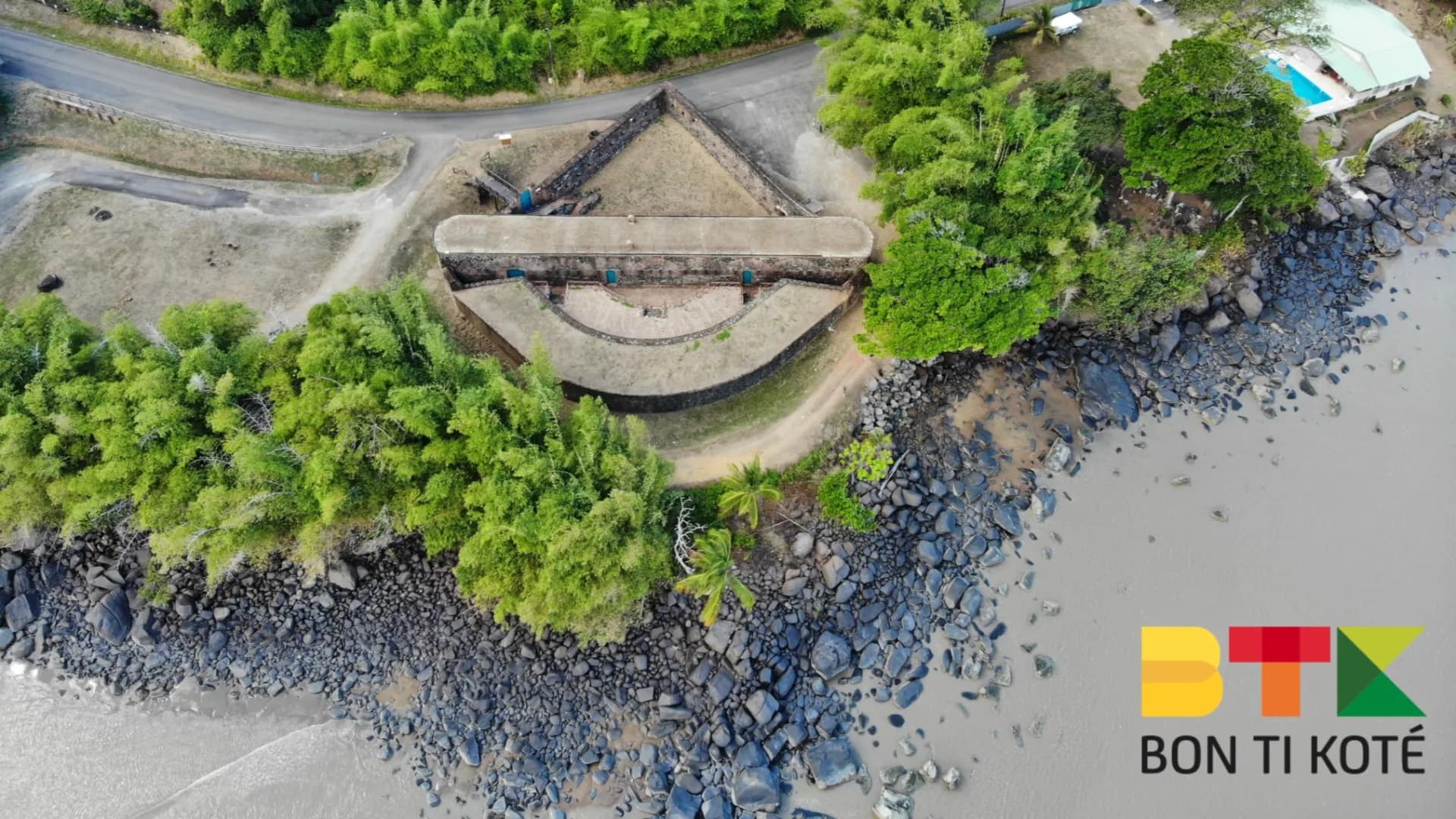
Fort Diamant en Guyane : Un Site Historique à Découvrir
Remire-Montjoly
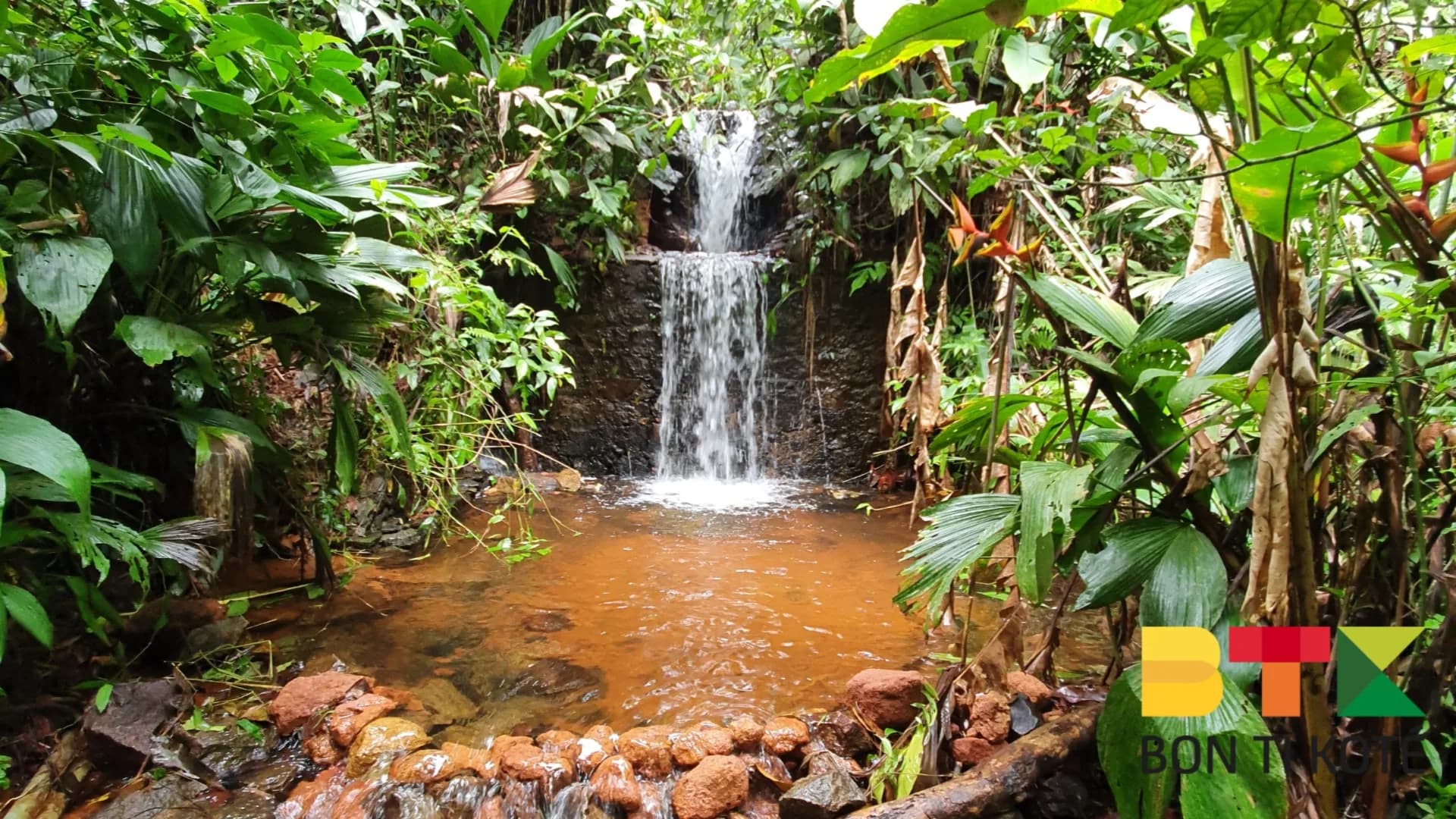
Accès libre
Le sentier du Rorota, parcours à découvrir
Remire-Montjoly
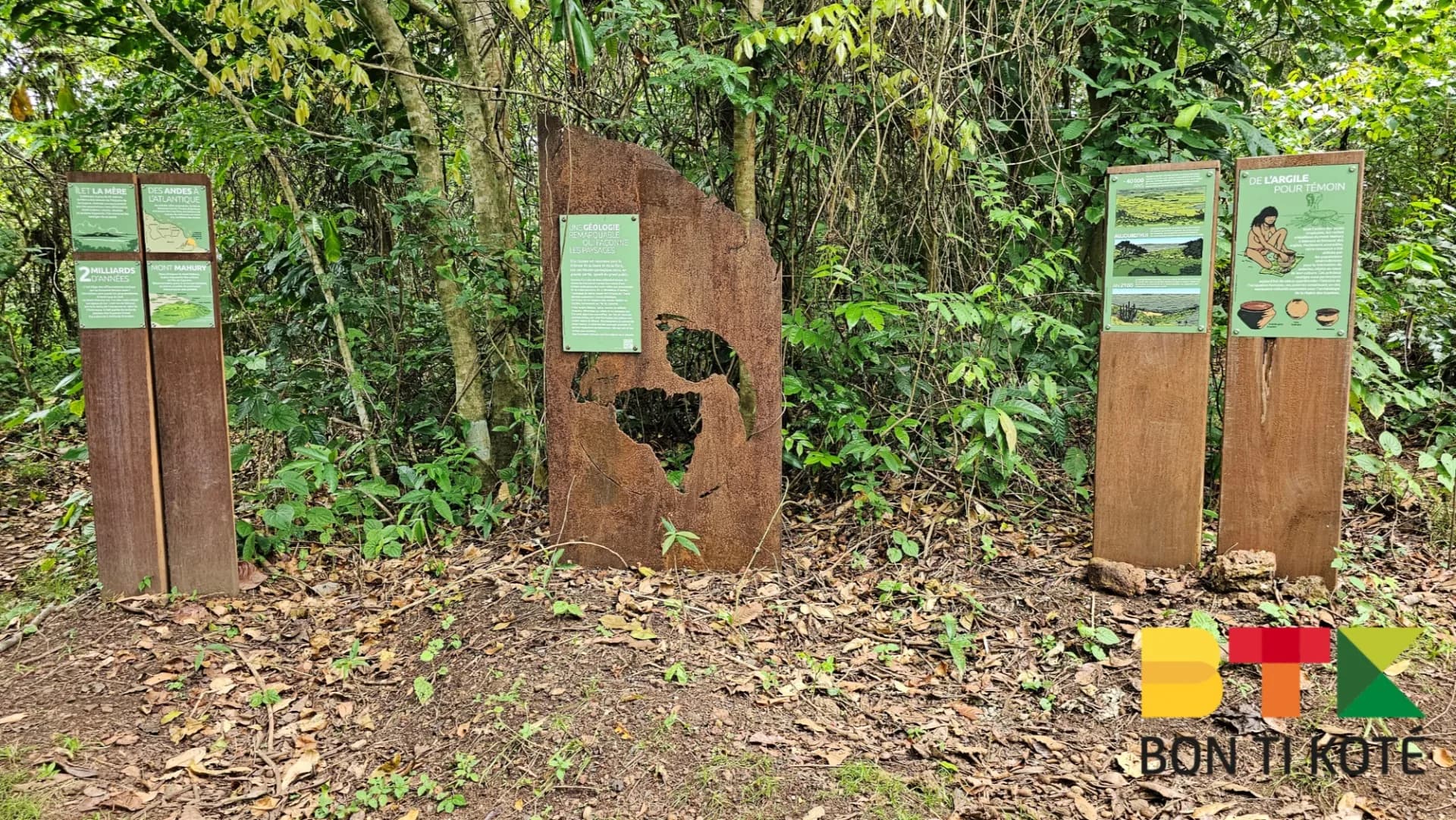
Accès libre
Sentier Montagne Topu : Une Rando Facile en Guyane
Remire-Montjoly

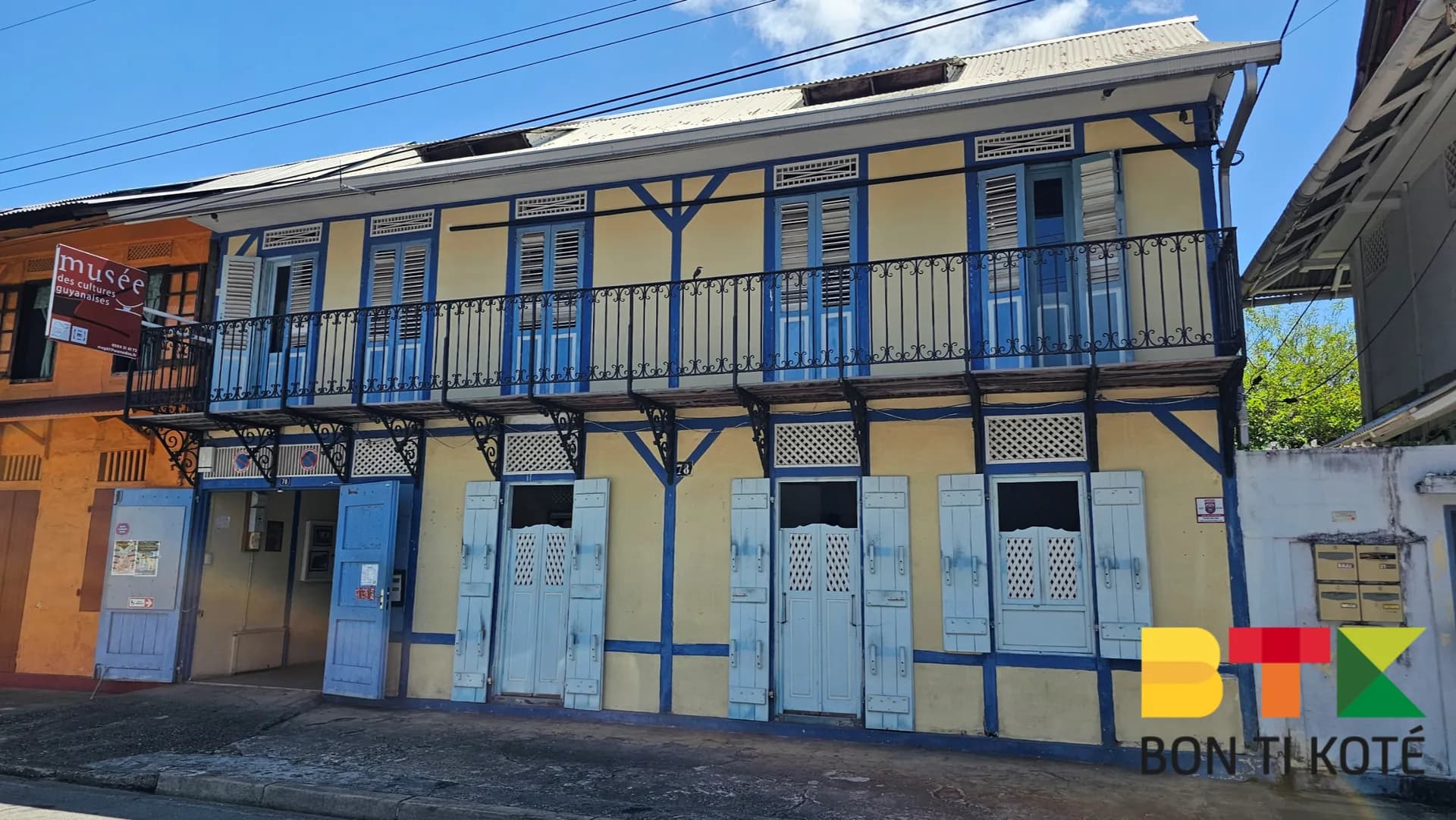
Plan your visit
Reviews & comments
No comments yet. Be the first to react.
Trouvez un hébergement à Remire-Montjoly
Gîtes, carbets, lodges et locations — sur Dronmi.
À proximité
Où manger à Remire-Montjoly
Sélection de restaurants proposée par dronmi.fr