
Bon Ti KotéBon Ti Koté
Plage des Hattes, capitale des Luths
Eau & baignade★ Free accessAwala-Yalimapo

Plage des Hattes, capitale des Luths

Free access

Gallery

Overview

Awala-Yalimapo is renowned for Plage des Hattes, a 5-kilometre beach. It is one of the last major nesting sites for the leatherback turtle. Nesting runs from March to July, peaking in April and May; hatchlings emerge from July to September, some sixty days after each clutch is laid. The site is protected by the Amana National Nature Reserve. The commune lies at the far north-west tip of French Guiana, between the mouth of the Mana river and the Maroni.

Why Visit

Plage des Hattes is well maintained and relatively clean. Several tables are available for picnicking and hammocks can be hung in the shade of the palm trees. Local artisans sell their crafts — sometimes made on the spot, such as carved calabashes. The beach is suffering from erosion: a large section has disappeared over recent years, likely linked to rising sea levels. Turtle poaching and egg theft, though reduced, continue, and illegal fishing remains a threat to marine turtles.

History and Environment

Plage des Hattes is one of the last major leatherback turtle nesting sites in the world. To protect it, the Amana National Nature Reserve was created: 14,800 hectares listed as a Ramsar site since 1993, home to around 286 bird species and four species of sea turtle - leatherback, green, olive ridley and, more rarely, hawksbill. The commune of Awala-Yalimapo lies about 22 kilometres from Mana, at the far north-west of French Guiana: its territory is bounded to the north by the Atlantic Ocean, to the west by the Maroni, to the south by Crique Canard, and to the east by a line crossing Pointe Isère.

Practical Information

Turtles come ashore around high tide, so it is worth timing your visit with the tide tables. At night, keep lighting to a strict minimum and use no flash, which disorients the females; leave several dozen metres around the nesting site. During emergence, picking up hatchlings is forbidden, even to help them reach the sea.

Getting There

To reach Plage des Hattes, enter the town of Mana: a signpost indicates the direction to Awala-Yalimapo. The commune is about 22 kilometres from Mana.

Wildlife

What you might see

Species most often reported by naturalists around this place. Nothing is guaranteed: wildlife comes and goes.
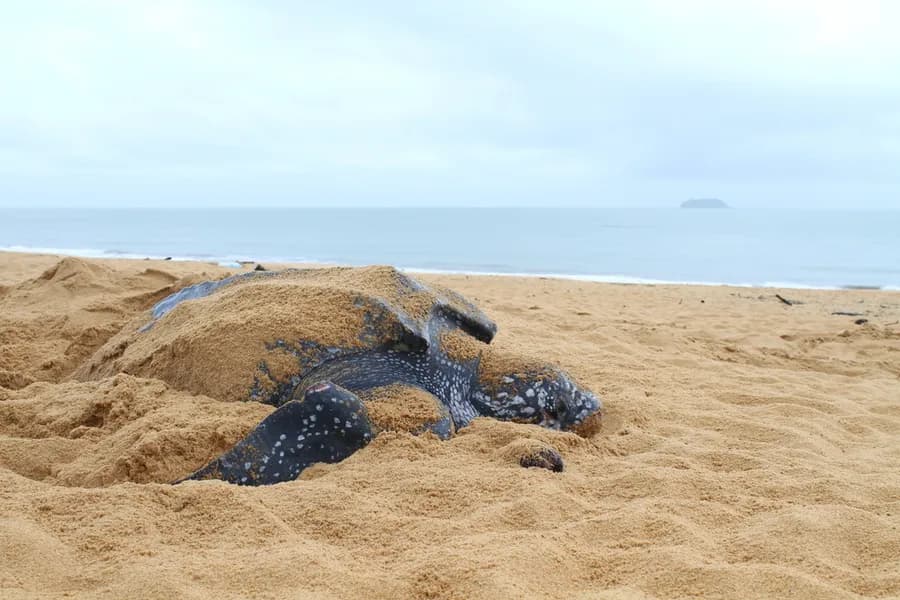
  • Tortue Luth (Dermochelys coriacea)Reptile
    Tortue Luth
    Dermochelys coriacea

    Pendant les pontes, restez à distance des tortues, sans lumière blanche ni flash.

    Photo credit

    © Julien Renoult, CC BY · taken in Cayenne · iNaturalist
  • Ibis rouge (Eudocimus ruber)Bird
    Ibis rouge
    Eudocimus ruber
    Photo credit

    © Jan Ebr & Ivana Ebrová, CC BY · taken in Kourou · iNaturalist
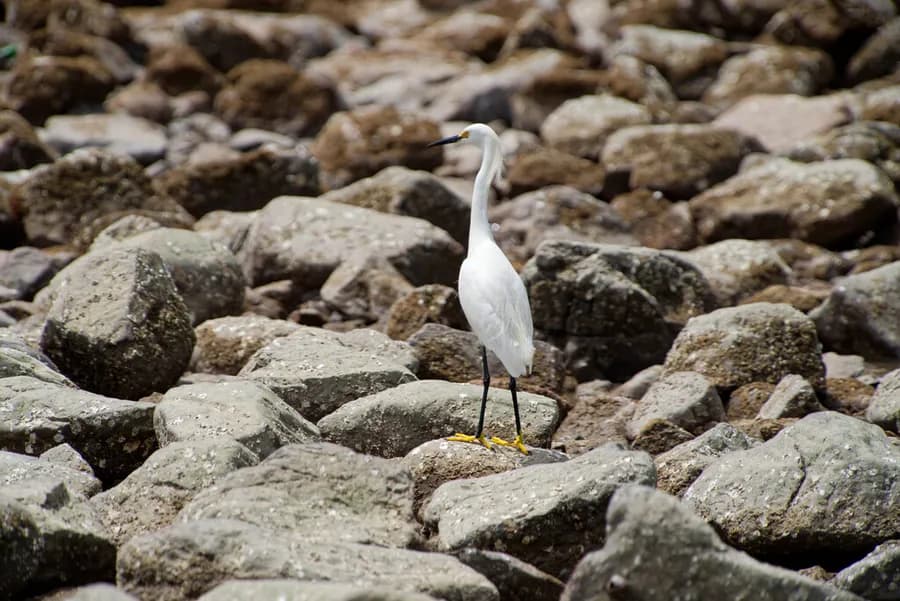
  • Aigrette neigeuse (Egretta thula)Bird
    Aigrette neigeuse
    Egretta thula
    Photo credit

    © Imrick B., CC BY · taken in Remire-Montjoly · iNaturalist
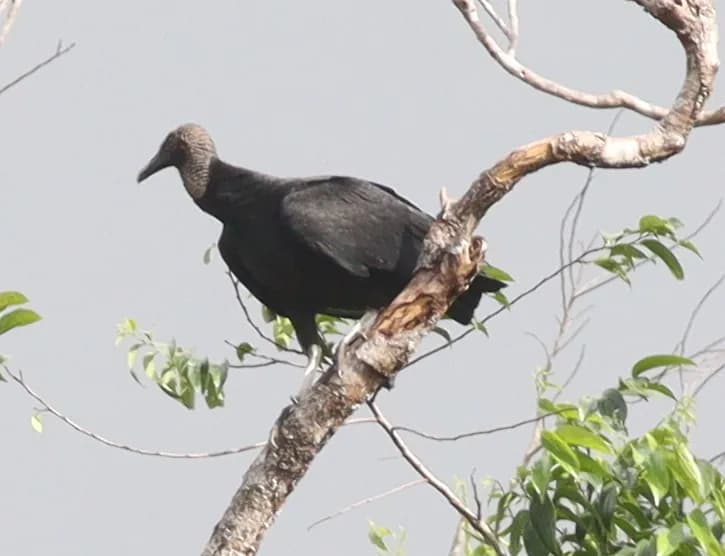
  • Urubu noir (Coragyps atratus)Bird
    Urubu noir
    Coragyps atratus
    Photo credit

    © Jan Ebr & Ivana Ebrová, CC BY · taken in Saint-Georges · iNaturalist

Observations: GBIF and iNaturalist. Sources and credits

Getting there

Location

Awala-Yalimapo · Guyane

Frequently asked questions

When can I see leatherback turtles at Plage des Hattes?+

Leatherback turtles come to nest on Plage des Hattes from March to July, peaking in April and May. It is one of the last major nesting sites for this species, protected by the Amana National Nature Reserve.

How do I get to Plage des Hattes in Awala-Yalimapo?+

Enter the town of Mana: a signpost points toward Awala-Yalimapo. The commune is about 22 kilometres from Mana, at the far north-west of French Guiana.

Is Plage des Hattes well equipped?+

Yes. The beach is well maintained and relatively clean, with several picnic tables and palm trees under which to hang a hammock. Local artisans sell their products there.

Why is Plage des Hattes under threat?+

The beach is being eroded: a large section has disappeared in recent years, likely linked to rising sea levels. Turtle poaching and illegal fishing also remain dangers for marine turtles.

Reviews & comments

No comments yet. Be the first to react.

À proximité

Où manger à Awala-Yalimapo

Bananes Pesées

Bananes Pesées

Note Google : 4.7
97320 Awala-Yalimapo
Itinéraire

Notes, adresses et photos : Google.