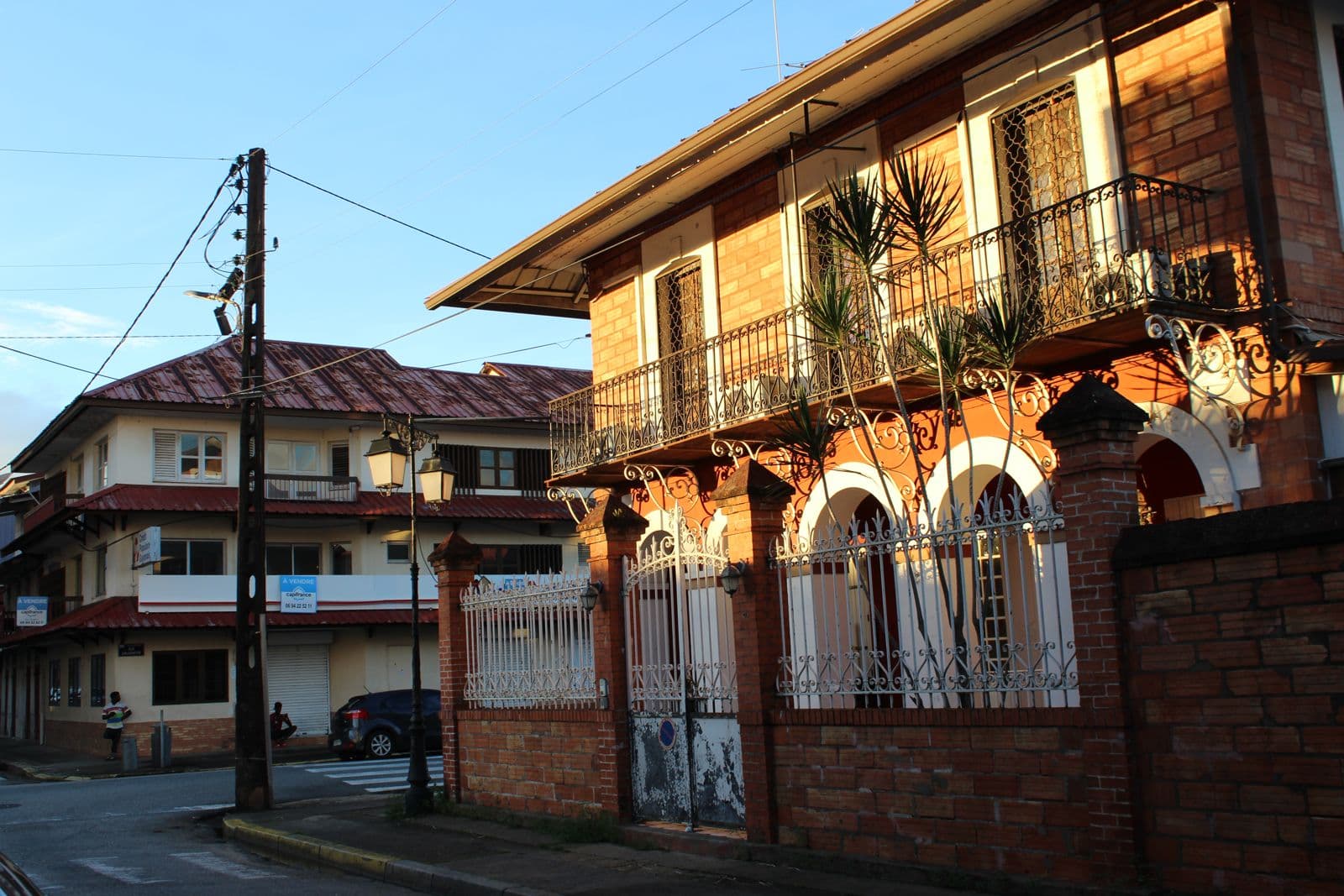
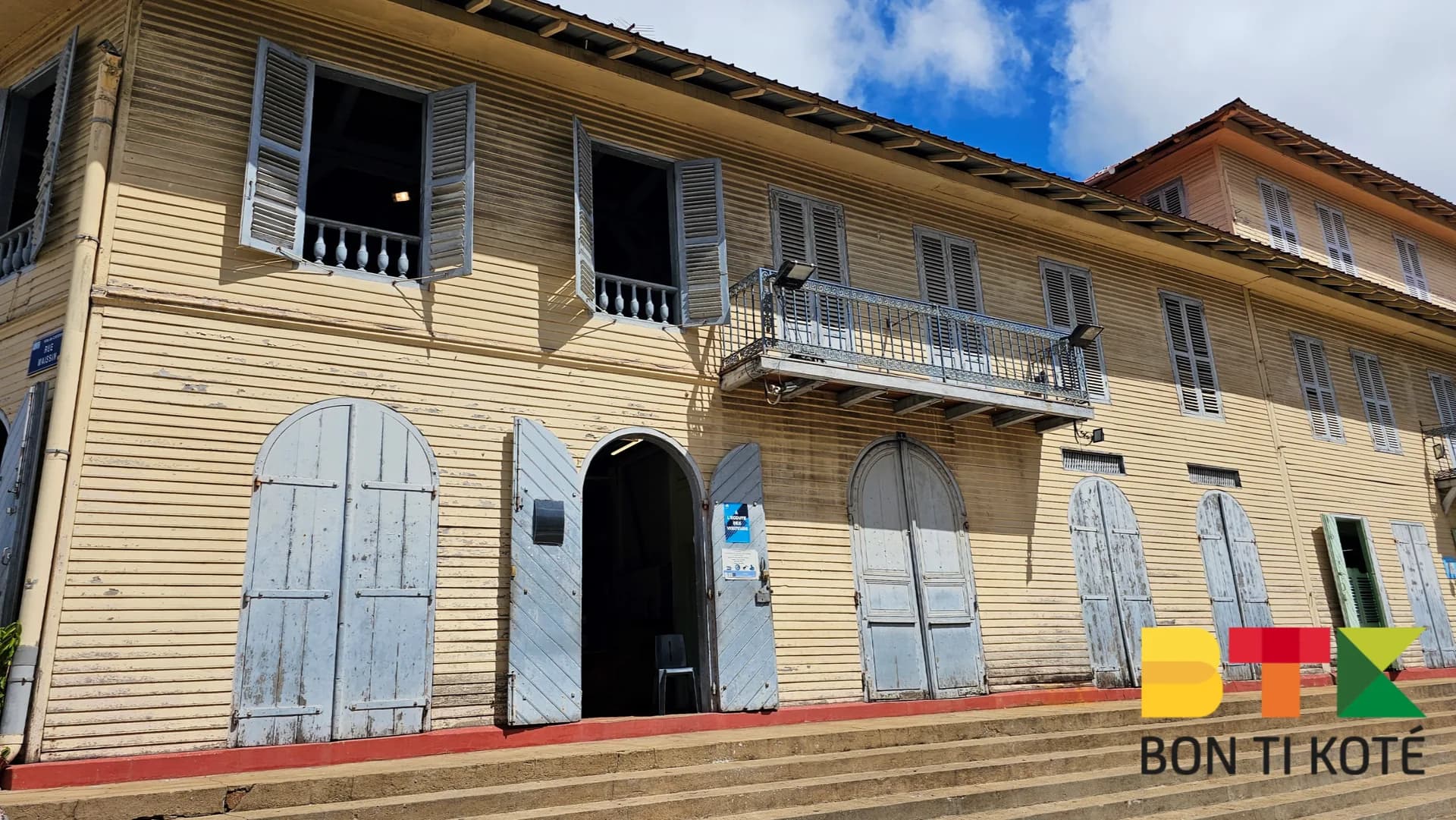
The Franconie Museum, in Cayenne, is a space dedicated to the history, culture and biodiversity of French Guiana. Housed in a Creole timber house built in 1901, it offers varied collections to help visitors understand the region's heritage. The building, a colonial wooden house characteristic of traditional architecture, bears the name of Joseph Franconie, a local merchant who left his mark on Cayenne's history; it is one of the few surviving examples of this style still well preserved in the city centre.
The museum features permanent exhibitions on the history of French Guiana: Amerindian artefacts, objects from the colonial era (agricultural tools, everyday items) and historical archives tracing the transformation of Cayenne. Part of the space is devoted to local fauna and flora, with taxidermied specimens (birds, reptiles, mammals including a jaguar), an insect and butterfly collection, and temporary exhibitions. Highlights include: the Case Boni (a reconstruction of a traditional Boni dwelling — descendants of Maroon slaves — with a carved gable, a door painted by Antoine Dinguiou and a wasa palm-leaf roof crafted by Gerrit Linga), a scale model of Fort Diamant at Rémire-Montjoly, a model of Fort Céperou and colonial-era Cayenne, and the taxidermied jaguar, an emblem of Guyanese biodiversity.
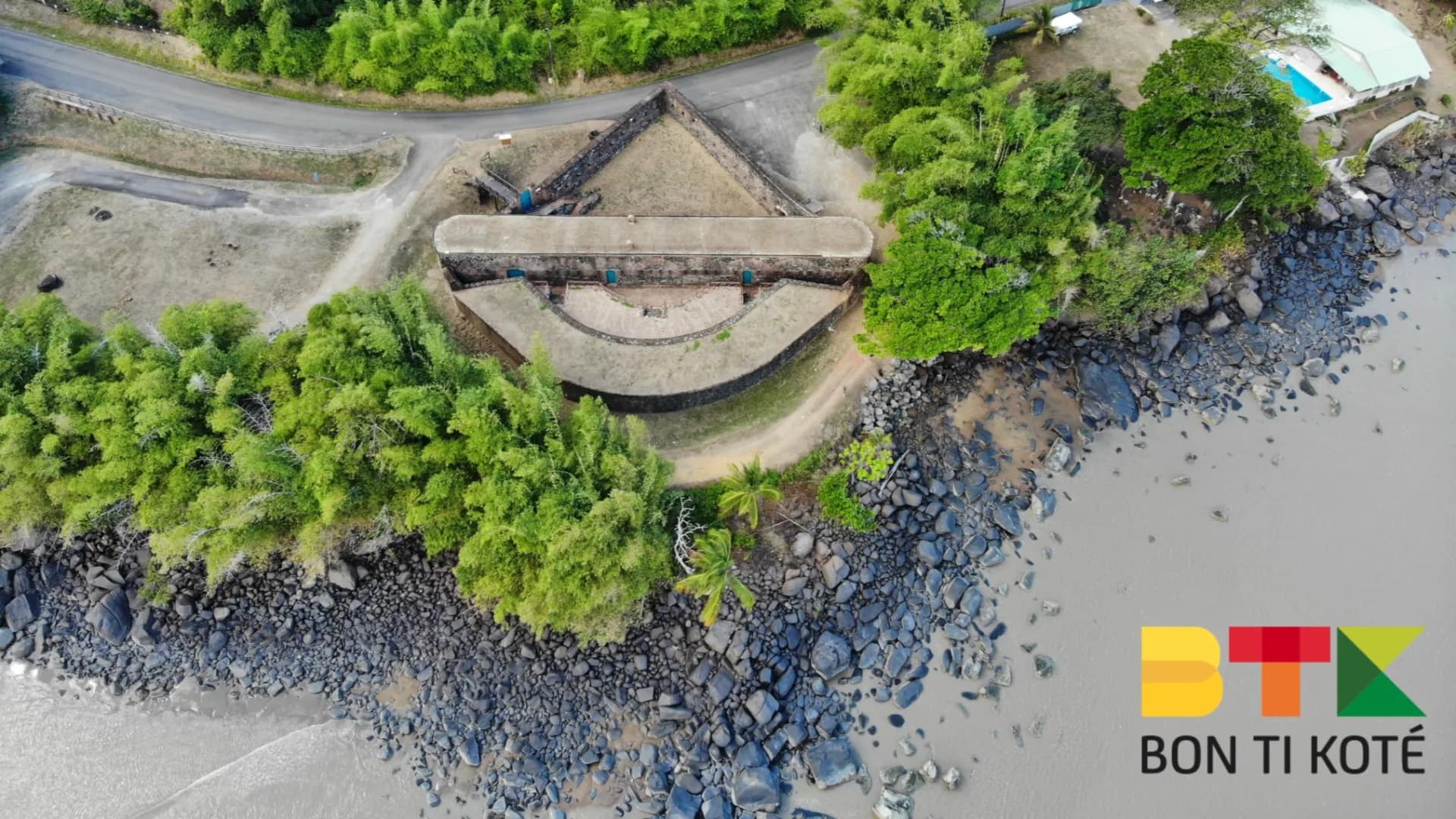
The house that now holds the museum was built in 1901 and named after Joseph Franconie, a local merchant. The collections trace the different periods of the territory's history, from the earliest Amerindian populations through the colonial era. The scale model of Fort Diamant, a 19th-century fortification at Rémire-Montjoly, illustrates the defensive organisation of the Guyanese coast, while the model of Fort Céperou shows what Cayenne looked like during the colonial period.
Address: 1 avenue du Général de Gaulle, Cayenne. Opening hours: Monday 10 am–2 pm / 3 pm–6 pm; Wednesday 8 am–1:30 pm / 3 pm–6 pm; Thursday 8 am–2 pm; Friday 8 am–2 pm / 3 pm–6 pm; Saturday 8:30 am–12:30 pm; closed Tuesday and Sunday. Admission: standard €3, reduced €2 (students, retirees, people with disabilities with proof, adult groups of 10 or more). Free with proof for minors, job-seekers, practising teachers, culture professionals and school groups. The museum offers guided tours, workshops for school groups and occasional events.
The museum is at 1 avenue du Général de Gaulle, in Cayenne.
The museum occupies a 1901 colonial timber house, one of the few surviving examples of this architectural style still well preserved in Cayenne city centre. It is named after local merchant Joseph Franconie.
Highlights include the Case Boni (a traditional Boni dwelling reconstruction), the scale model of Fort Diamant, the model of Fort Céperou and colonial-era Cayenne, and the taxidermied jaguar.
Open Monday, Wednesday, Thursday, Friday and Saturday (closed Tuesday and Sunday). Standard admission €3, reduced €2, and free with proof for several categories (minors, job-seekers, practising teachers, school groups).
« Endroit magique, on a vu deux toucans en arrivant ! Sentier bien balisé, parfait pour la matinée. »
« Super site, l'eau est cristalline. Petit bémol : prévoir des chaussures qui tiennent bien, ça glisse. »
« Tip BTK validé : on y est allés à 8h, on était seuls. Vers midi c'est beaucoup plus fréquenté. »
« On a passé l'après-midi ici en famille, les enfants ont adoré la baignade. Vraiment un coup de cœur. »
À proximité
Sélection de restaurants proposée par dronmi.fr