
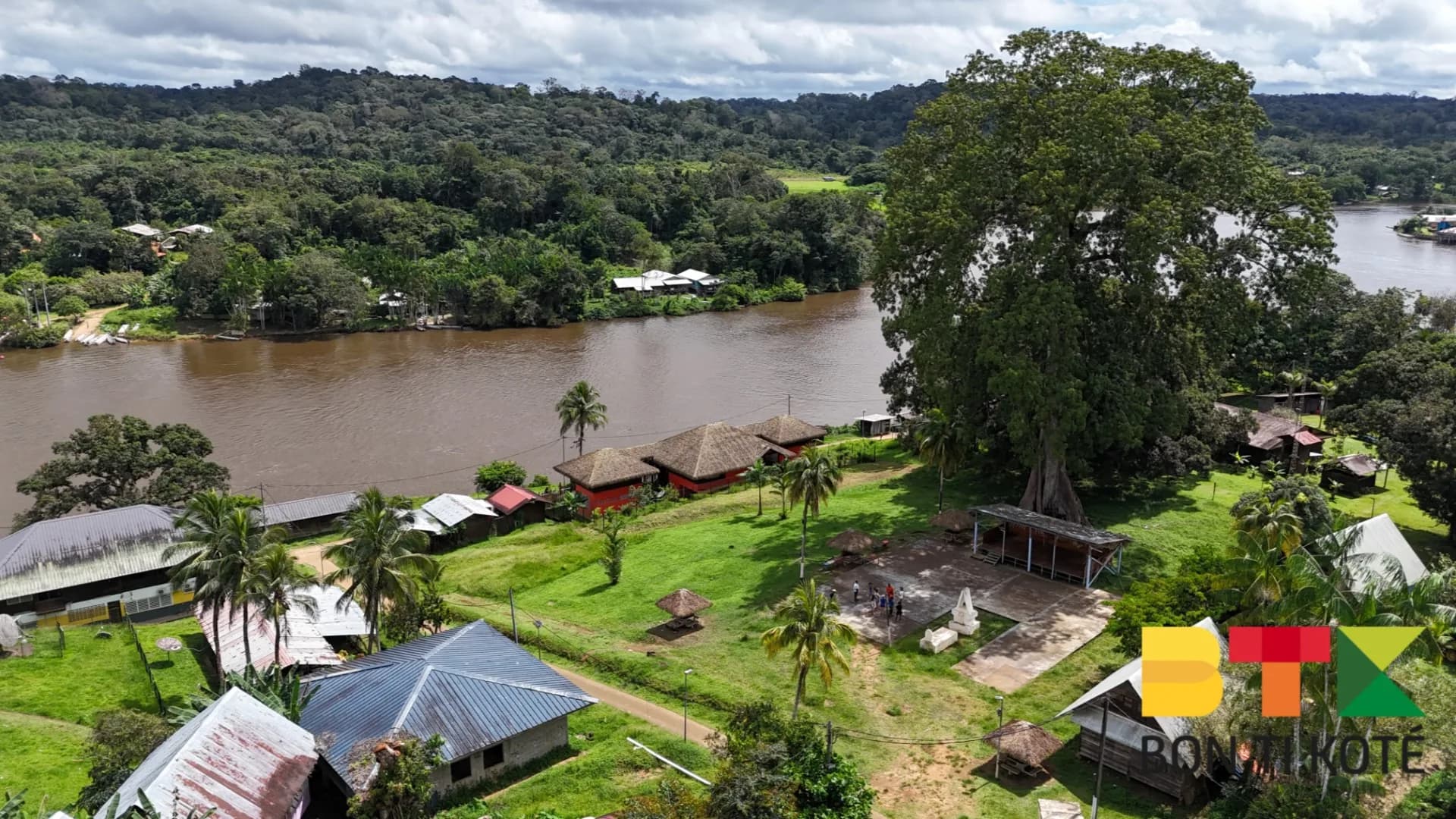
Camopi en Guyane : Une Aventure Authentique
Gallery
Location de matériel · proposé par Grobek.expéditions
Vous y allez ? Louez votre matériel
Couteau de survie, machette et sac de couchage : tout se loue, à la journée, avant de prendre la route.
 Couteau de surviedès 1 €/jour
 Machettedès 2 €/jour
 Sac de couchagedès 2,50 €/jour
 Lampe frontale MH10dès 3 €/jour
Frequently asked questions
How do you get to Camopi?+
Camopi is accessible neither by road nor by trail. You can reach it by pirogue from Saint-Georges de l'Oyapock (3 to 8 hours depending on the season) or by light aircraft from Félix-Éboué Airport in Cayenne (approximately 45 minutes).
Do you need a permit to visit Camopi?+
Since 2014, the main village of Camopi is no longer in a restricted access zone. However, certain Amerindian settlements such as Trois-Sauts require a prefectural permit, which must be requested from the prefecture of French Guiana.
What is the best time of year to visit Camopi?+
The rainy season (April to June) makes pirogue navigation easier, while the transitional season (December to March) is ideal for wildlife observation.
Where can you stay in Camopi?+
There is no hotel in the village. Accommodation is in carbets — traditional open-sided shelters for hammocks — most often with local families.
Nearby & on site
Other places

La Nouvelle Place Publique de Rémire-Montjoly : Un Bon Plan Touristique pour une Sortie en Famille en Guyane
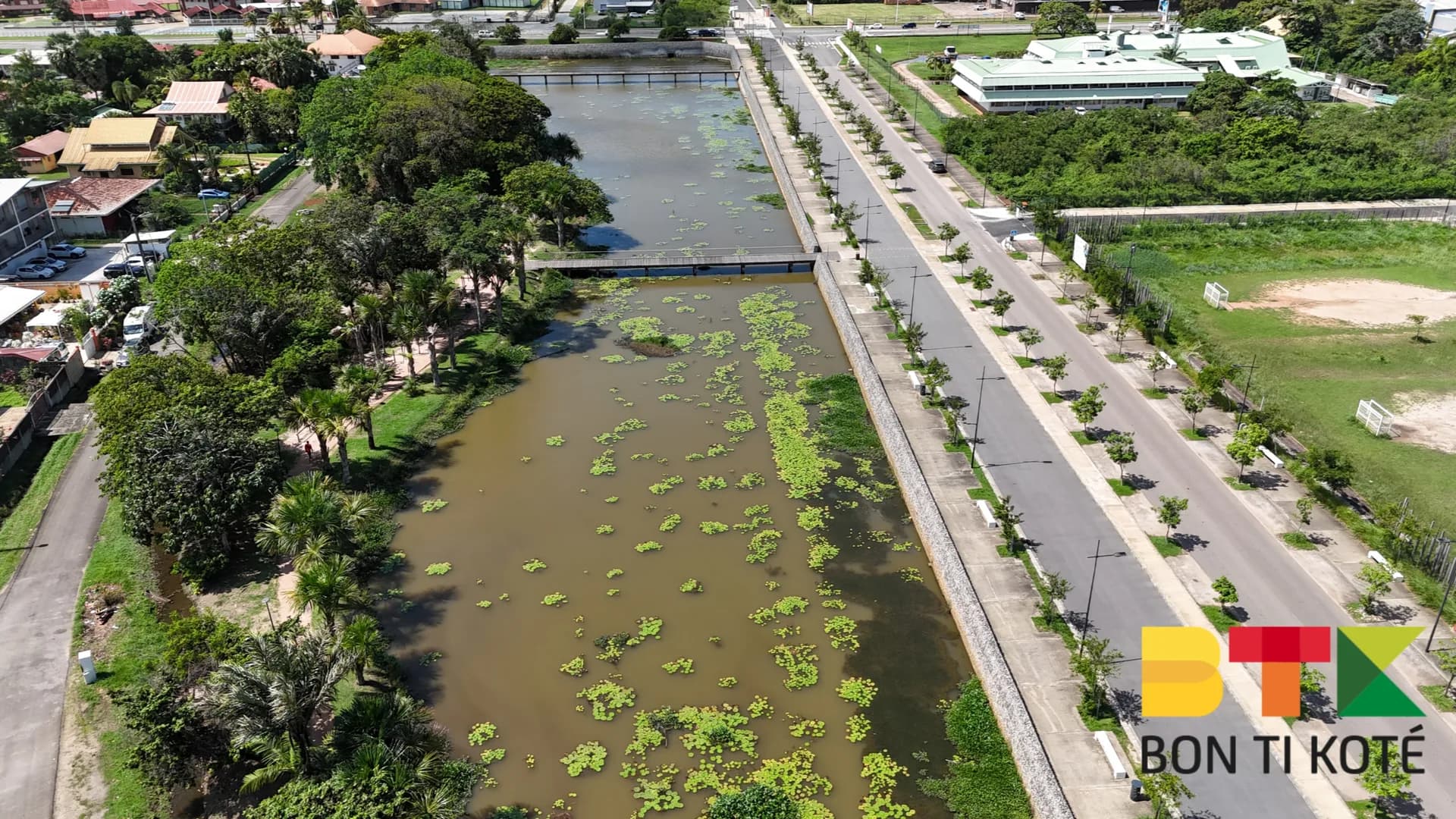
Le quartier Ibiscus à Cayenne : Un lieu de vie agréable et animé
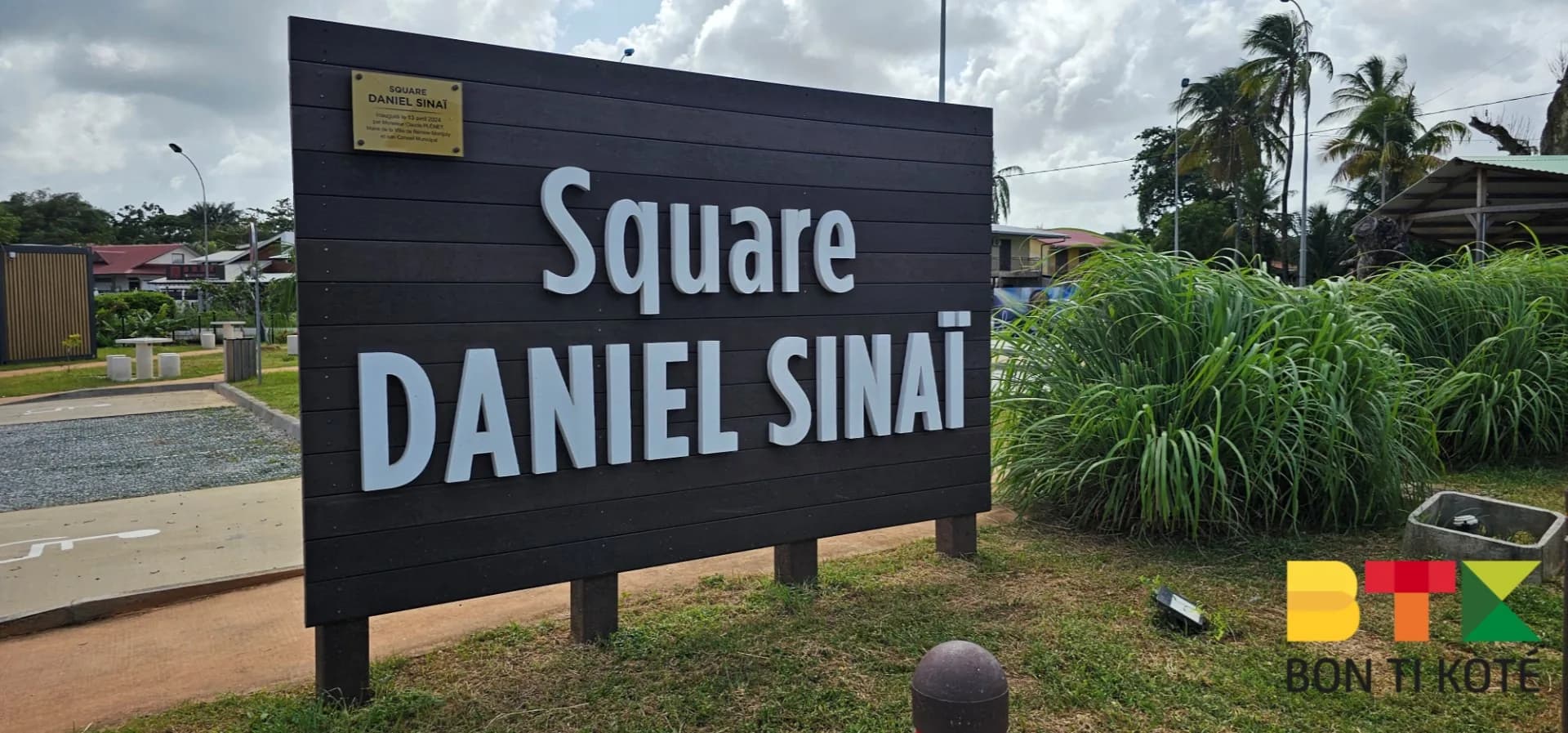
Square Sinaï à Montjoly, Guyane : Un Lieu de Rencontre et d’Hommage
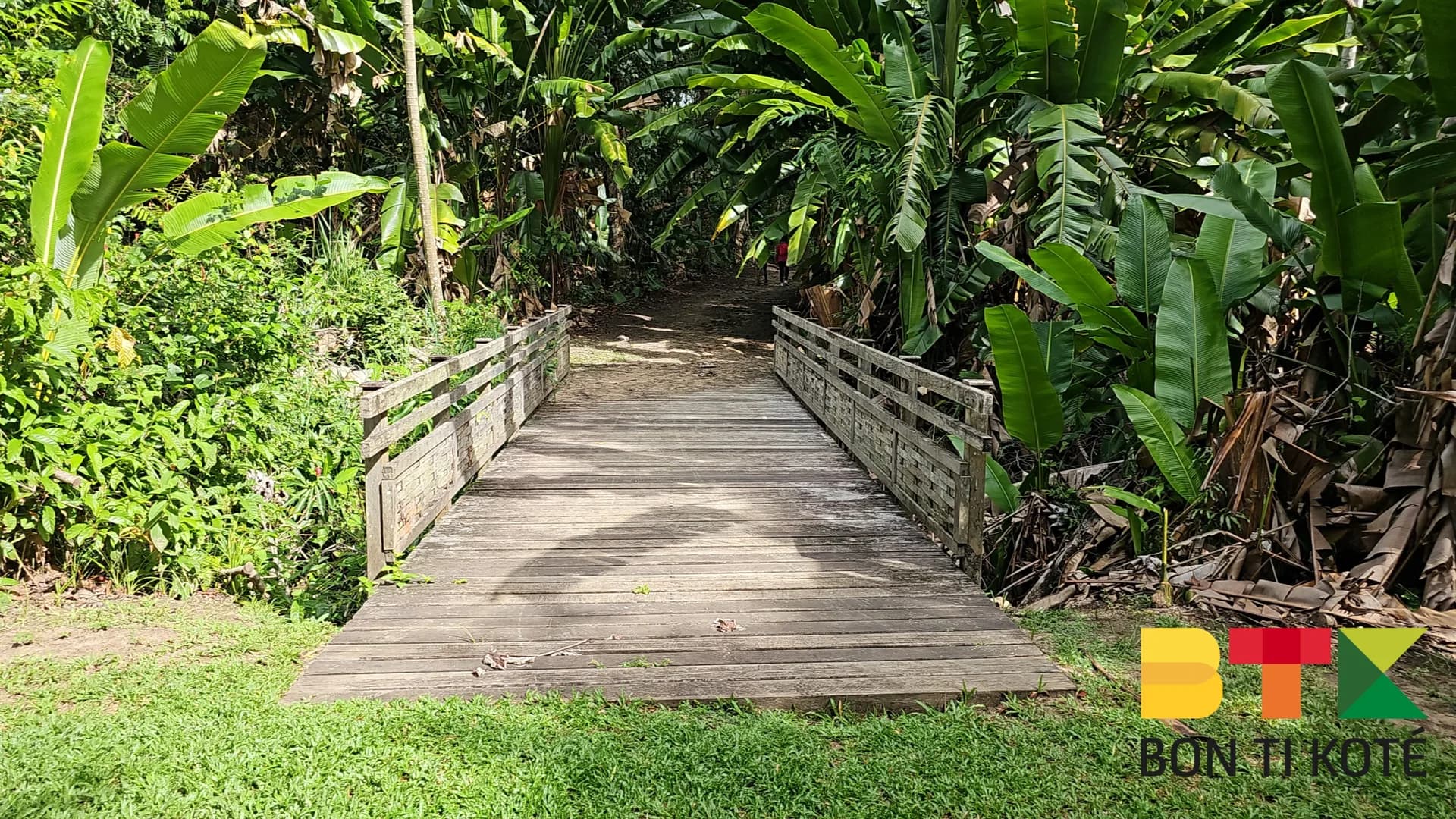
Le sentier nature du Centre Spatial Guyanais
Plan your visit
Reviews & comments
No comments yet. Be the first to react.
Trouvez un hébergement à Camopi
Gîtes, carbets, lodges et locations — sur Dronmi.
À proximité
Où manger à Camopi
Sélection de restaurants proposée par dronmi.fr